
January 2026
The Commander metagame across 25,995 casual games tracked on Playgroup.gg. Win rates, movers, community sentiment, and diversity metrics across 2,286 unique commanders.
25,995 games were tracked on Playgroup in January 2026, a 20.3% increase over December. That volume jump is the headline: more data means more stable signals, and the month's patterns hold up well under scrutiny. The typical game ran about 52 minutes, with average rounds holding flat at 8.8. Game length barely moved, up just 0.2% on the median. January played a lot like December, only louder.
2,286 distinct commanders appeared across those games, up 4.4% from last month. The Meta Diversity Index landed at 85.6, rated "Healthy," consistent with where it has sat for the past several months. The top 10 commanders accounted for just 9.8% of total games, meaning no single archetype dominated the table. It takes 150 commanders to account for half the game volume, a number that underscores just how broadly distributed casual Commander actually is. Ashling, the Limitless led all commanders with 1,224 games, followed by Auntie Ool, Cursewretch at 1,120. Both are recent releases. Sephiroth, Fabled SOLDIER held the top ELO position at 1,741 across 303 games, with a 35.8% win rate to back it up.
The play experience in January was calm by the numbers. Salt averaged 1.43, the lowest figure in recent months, and fun held steady at 3.74. Combo closed out 6.4% of games and averaged just 6.8 rounds to victory, the fastest path available. Combat wins averaged 9.3 rounds. First-seat advantage remains real: the player in seat one won 29.8% of games, nearly 7 points ahead of seat four at 23.0%. Going to three or more mulligans cost meaningful ground, dropping win rate to 25.5% versus 30.2% for players who kept their opening hand.
Temur (GRU) was the best-performing color combination with a 29.36% win rate across 3,001 games, boosted in part by Magus Lucea Kane's strong January. Grixis (BRU) sat at the bottom of the color table at 23.02% despite high play volume. February will be worth watching for whether Magus Lucea Kane's surge holds, whether Dihada and Zaxara bounce back from their drops, and whether the new arrivals like Ramos, Dragon Engine accumulate enough games to confirm their early numbers.









Top 100 most-played commanders sized by play count.
Win rate change vs the previous month. Commanders need 100+ games in both months to qualify.


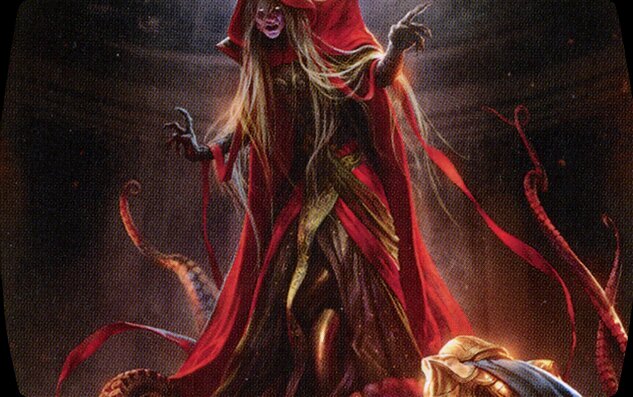

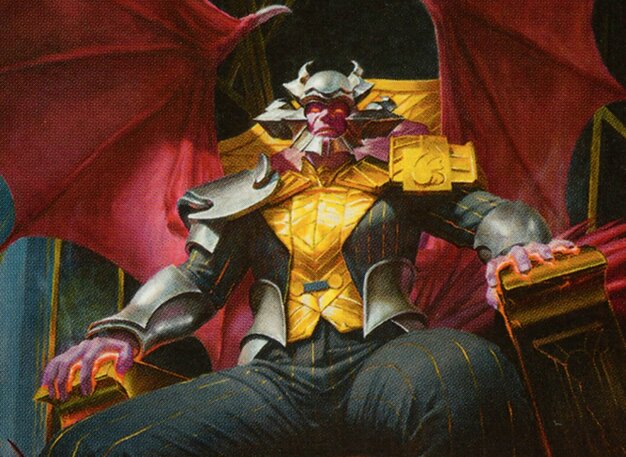
 Omnath, Locus of Rage
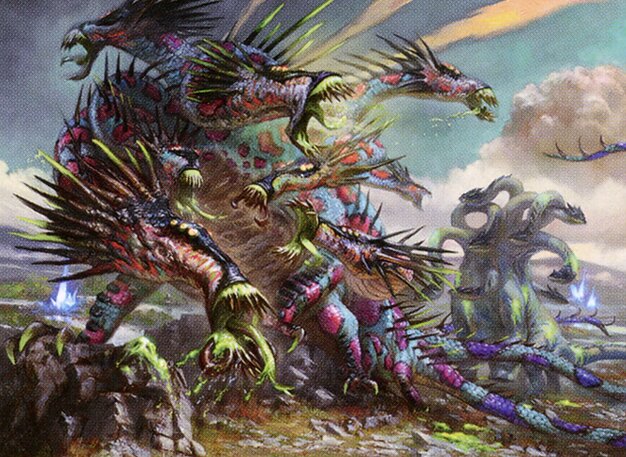
 Gisa and Geralf
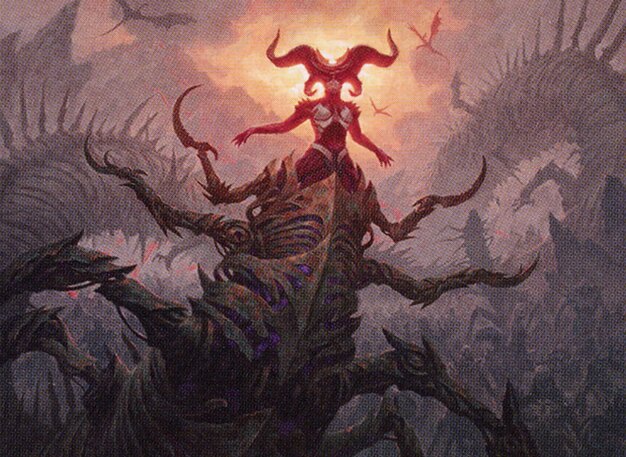 Sheoldred, the Apocalypse
 Ramos, Dragon Engine
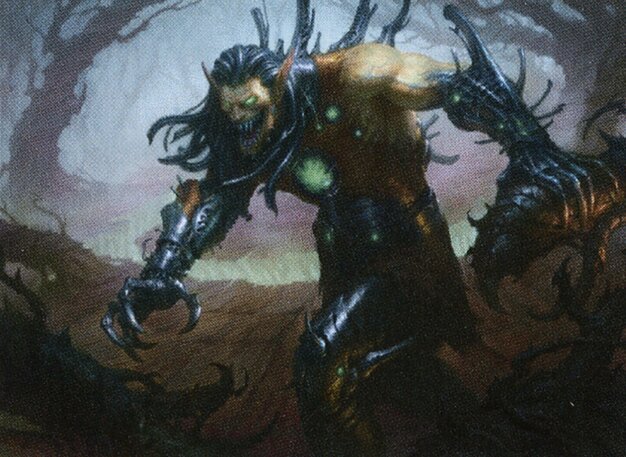 Ezuri, Claw of Progress
Magus Lucea Kane leads all risers in January, jumping 12.63 percentage points to a 30.7% win rate across 215 games. That is a substantial single-month swing for a commander with this volume, and it pushes Lucea Kane well above the 25% baseline. Korvold, Fae-Cursed King climbed 10.22 points to 32.1%, and Jund (BGR) as a color combination sits near the top of the most-played table with multiple representatives this month. Dr. Eggman rounds out the risers with a +10.44-point gain to 25.4% across 114 games. At that sample size, treat this as a commander worth watching rather than a settled trend. The fallers tell a symmetric story. Dihada, Binder of Wills dropped 13.3 points to land at 24.3%, the steepest single-commander decline this month. Zaxara, the Exemplary fell 11.04 points to 23.5%, and Rograkh, Son of Rohgahh slid 10.92 points to 24.9%. All three remain near the expected 25% baseline, so these are corrections toward average rather than collapses. Among new arrivals, Ramos, Dragon Engine debuts at 35.3% across 80 games and Gisa and Geralf at 31.5% across 88 games. Both cleared the minimum threshold and are worth monitoring as their sample sizes grow.
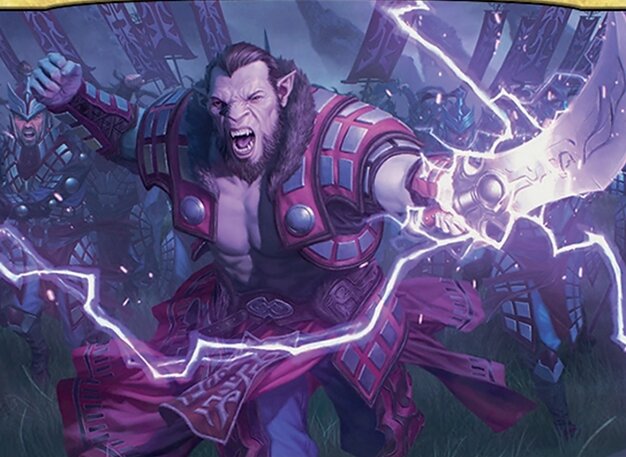
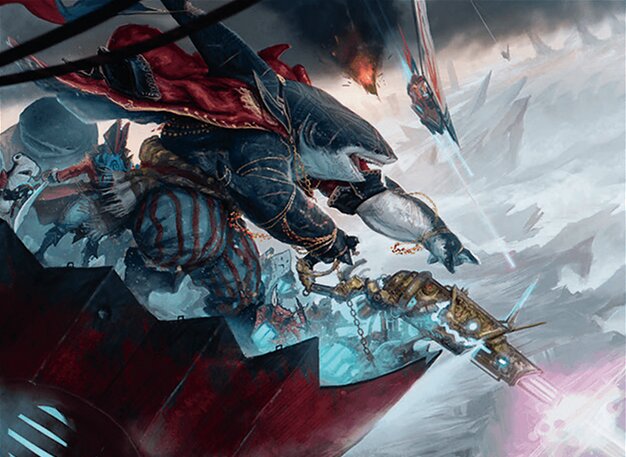
68.3% of January games received a rating, up 0.3% from last month. Average fun held at 3.74 out of 5, unchanged month over month. Average salt came in at 1.43 on the 1-to-3 scale, down 0.7% from the prior month. At 1.43, the typical game sits comfortably toward the low end of the salt range. Zurgo Stormrender earned the saltiest-commander designation with a 1.78 average across 109 rated games. That is noticeably above the field average but still below the midpoint of the scale. Captain Howler, Sea Scourge topped the fun leaderboard at 4.2 out of 5 across 87 games. Salt scores are attributed to the winning commander based on ratings from losing players, so both numbers reflect how opponents felt after the game ended.
How games ended in January 2026 across 25,995 tracked games.
54.7% of wins came through combat damage, up slightly from 54.0% last month. Non-combat damage fell from 21.9% to 20.8%, the most notable shift in the distribution. Commander damage held nearly flat at 9.1%. Combo accounted for 6.4% of wins, up a fraction from 6.2%, and infinite combos specifically appeared in 5.0% of all games. Alternative win conditions ticked up to 5.9% from 5.6%. The overall picture is stable: this remains a combat-first metagame with combo as a consistent but minority path to victory.





An MDI of 86 reflects a healthy meta where most commanders see balanced play, with 150 commanders needed to cover half of all games.
| May 2026 | Apr 2026 | Mar 2026 | Feb 2026 | Jan 2026 |
|---|---|---|---|---|
| 85.1 | 85.9 | 85.6 | 85.1 | 85.6 |
This report covers all finished multiplayer games tracked through the Playgroup.gg app during January 2026. Win rates are normalized to a 4-player baseline (25% expected) so pod size differences are weighted fairly. A commander needs at least 75 games to appear in ranked lists.
Salt ratings are measured from losing players and attributed to the winning commander. The scale runs 1 (no salt) to 3 (very salty). A Playgroup.gg editor reviews all content before publication.