

July 2026
The Commander metagame across 30,118 casual games tracked on Playgroup.gg. Win rates, movers, community sentiment, and diversity metrics across 2,503 unique commanders.
30,118 games tracked on Playgroup in July, a 23.0% increase over June. That is a meaningful volume jump, likely reflecting summer schedules and the continued rollout of new releases driving table interest. Game length held steady: the typical game ran about 50 minutes (3,025 seconds at the median), down just 0.8% from last month. Average rounds per game sat at exactly 8.9, unchanged. The format is not speeding up or slowing down. It is simply absorbing more players.
The commander landscape spans 2,503 unique commanders, up 4.6% from June, and the Meta Diversity Index registered 85.8, rated "Healthy." The top 10 commanders account for only 8.3% of total games, and it takes 165 commanders to cover half the field. Y'shtola, Night's Blessed led in raw plays at 1,027 games with a 27.0% win rate, while Doctor Doom, King of Latveria (Grixis, BRU) ran second at 971 games but posted a below-average 21.7%. On the win-rate leaderboards, Ashling, Rekindled // Ashling, Rimebound (Izzet, RU) topped both the win-rate and ELO tables at 44.17% and 1786 respectively, across 90 games at the qualifying floor. Izzet (RU) was the strongest color pair by win rate among high-volume combinations, at 27.77% across 3,909 games. Grixis (BRU) was the weakest, at 21.64% across 5,151 games, despite two of the format's most-played commanders carrying that identity.
The play experience in July was notably low-friction. A 1.38 average salt score means most losers walked away without complaint. Fun ratings held at 3.76 out of 5. Combo's share of wins ticked up to 6.5%, but infinite combos appeared in only 4.5% of games, a rate that has not moved the community pulse in any measurable direction. First seat retains an advantage at a 29.4% win rate versus 21.6% for fourth seat in four-player pods, a gap that has persisted across months and is worth factoring into how playgroups handle seating.
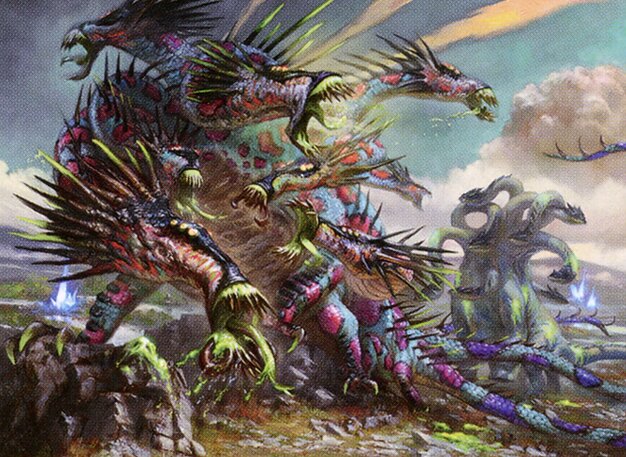
Sythis, Harvest's Hand enters the ranked pool at 38.33% across exactly 75 games. That debut warrants attention in August, since the sample is thin but the signal is sharp. Korvold, Fae-Cursed King's 10.3-point rise with 134 games behind it is the most reliable riser story of the month. Rendmaw, Creaking Nest's 16-point fall to 16.07% is the figure to watch on the other side. Whether those trajectories stabilize, reverse, or deepen will define much of the August narrative.



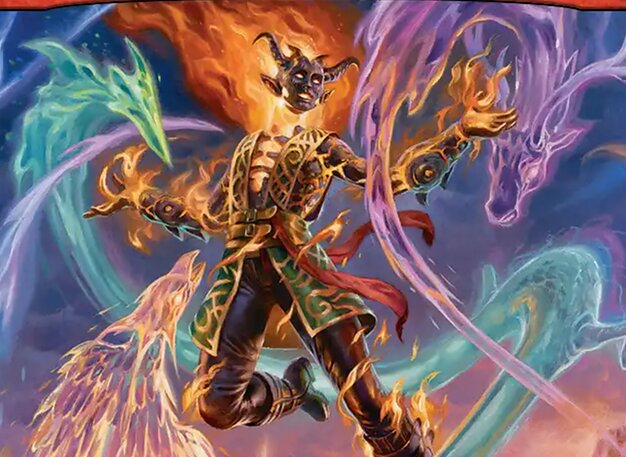

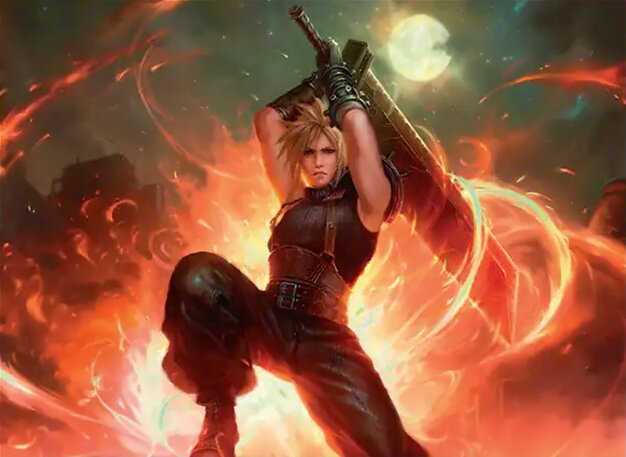



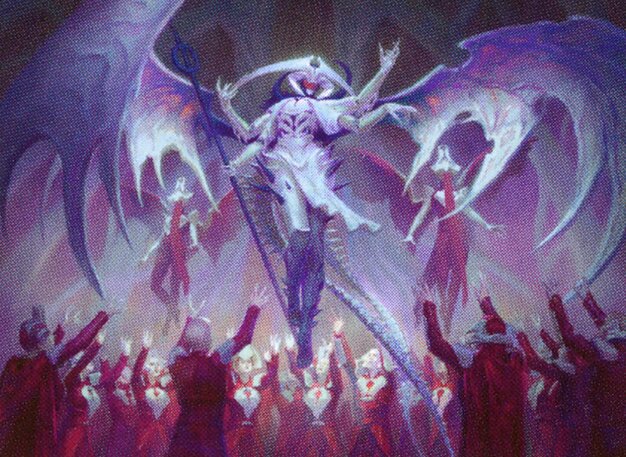



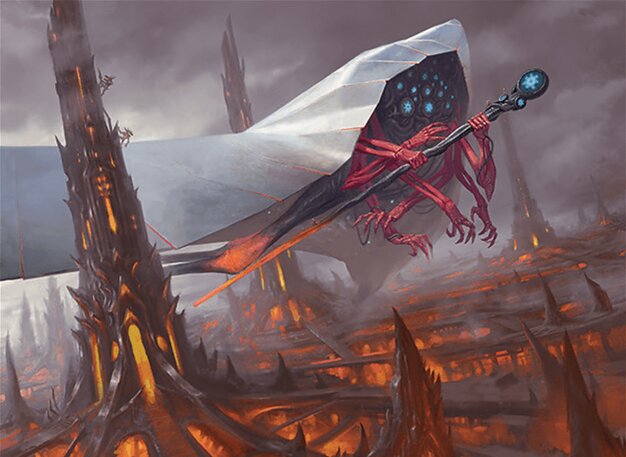
Top 100 most-played commanders sized by play count.
Win rate change vs the previous month. Commanders need 100+ games in both months to qualify.
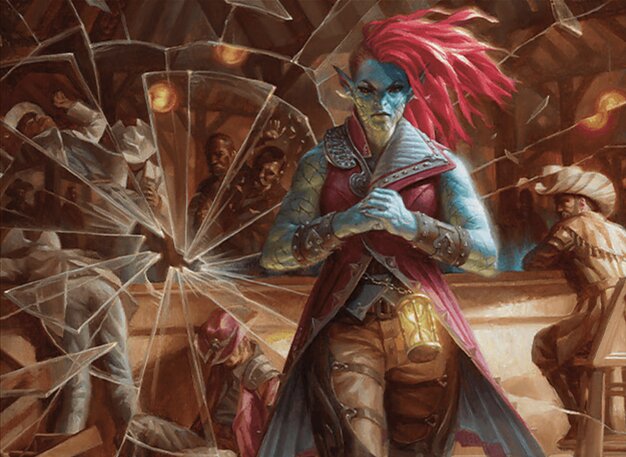

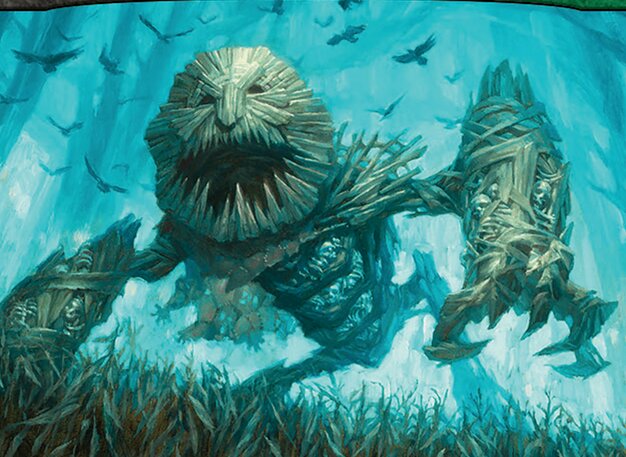
 Adrix and Nev, Twincasters
 Syr Konrad, the Grim
 Gisa and Geralf
 Dina, Soul Steeper
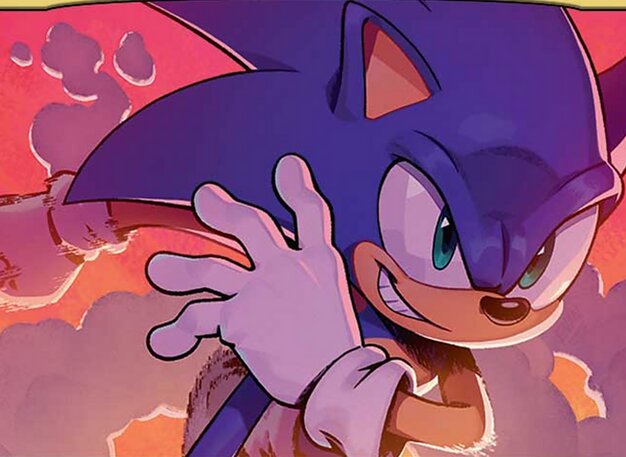
Thrasios, Triton Hero posted the month's biggest win-rate surge: up 13.65 percentage points to 37.5% across 104 games, the largest single-month jump among qualified movers. Simic (GU) ramp and value strategies benefited from a shift in the pod environment, and Thrasios' ability to convert excess mana into card advantage makes it a reliable beneficiary whenever board stalls lengthen. Obeka, Splitter of Seconds followed closely, rising 13.36 points to 30.34% across 103 games, suggesting Grixis (BRU) extra-turn and triggered-ability strategies found more favorable tables in July. Korvold, Fae-Cursed King (Jund, BGR) rounds out the risers with a 10.3-point climb to 33.77% across a larger 134-game sample, the most volume-confident signal of the three. On the other side, Rendmaw, Creaking Nest suffered the steepest fall: down 16.34 points to a 16.07% win rate across 112 games. That drop leaves Rendmaw well below the 25% baseline and is worth watching to see whether the deck hits a new equilibrium or continues sliding. Zaxara, the Exemplary (Sultai, BGU) fell 9.91 points to 19.62% across 172 games, the largest sample among fallers, making that result the most statistically grounded of the group. Sonic the Hedgehog (Jeskai, RUW) slipped 9.39 points to 21.3% across 125 games. New arrivals include Sythis, Harvest's Hand (Selesnya, GW), debuting at a striking 38.33% win rate across 75 games, exactly at the minimum qualifying threshold. Treat that figure as a strong early signal rather than a settled verdict.
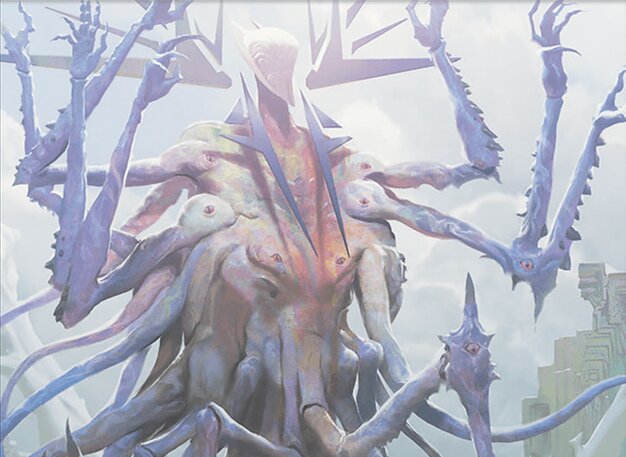
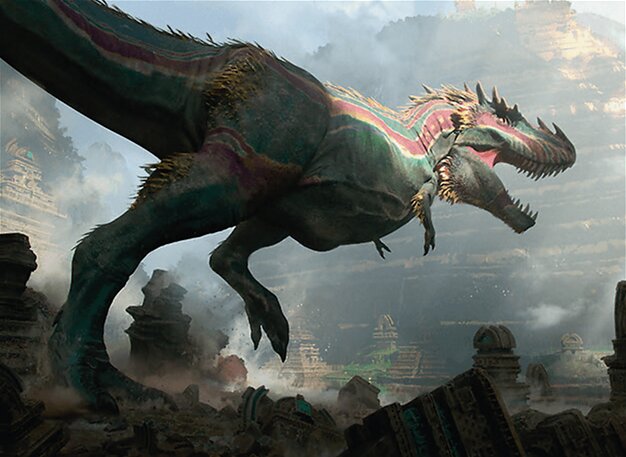
74.2% of July games received ratings, up 7.8% from June, giving the sentiment data solid coverage. Average fun holds at 3.76 out of 5, flat versus last month. Average salt dropped 3.5% to 1.38 on a 1-to-3 scale, meaning the typical losing player registered almost no grievance with the winning deck. That puts July among the more agreeable months in recent memory. Ulalek, Fused Atrocity (Five-Color, BGRUW) drew the most friction from opponents, averaging 1.6 salt across 92 rated games. That is the highest score this month but still sits comfortably in the lower half of the scale. On the other end, Ghalta, Primal Hunger (Mono-Green) earned a 4.22 fun rating across 98 games, the highest of any qualified commander. The gap between those two numbers illustrates the range of experiences inside a single month of casual Commander.
How games ended in July 2026 across 30,118 tracked games.
Combat accounts for 55.4% of wins in July, down slightly from 56.1% last month. Non-Combat Damage holds at 18.9%, and Commander Damage ticked up to 10.3% from 9.2%. The notable shift is in Combo: 6.5% this month versus 6.0% in June, continuing a gradual upward drift. The infinite combo rate sits at 4.5% of all games. Alternative win conditions edged down to 5.7% from 6.1%. The overall picture remains stable: combat is the format's dominant closer by a wide margin, with combo representing a consistent but small slice of outcomes.





An MDI of 86 reflects a healthy meta where most commanders see balanced play, with 165 commanders needed to cover half of all games.
| Jun 2026 | May 2026 | Apr 2026 | Mar 2026 | Feb 2026 | Jan 2026 |
|---|---|---|---|---|---|
| 86.0 | 85.1 | 85.9 | 85.6 | 85.1 | 85.6 |
This report covers all finished multiplayer games tracked through the Playgroup.gg app during July 2026. Win rates are normalized to a 4-player baseline (25% expected) so pod size differences are weighted fairly. A commander needs at least 75 games to appear in ranked lists.
Salt ratings are measured from losing players and attributed to the winning commander. The scale runs 1 (no salt) to 3 (very salty). A Playgroup.gg editor reviews all content before publication.