
MTG Commander Staples By color identity
Every list here is ranked by one thing: how much a card raises a deck's measured win rate compared with decks on the same commander that leave it out.
What are the best commander staples?
The best Commander staples are the cards that raise a deck's win rate the most when you add them, measured against decks running the SAME commander without them across 208,612 tracked Commander games. That commander-matched comparison is the whole point: it strips out the commander's own strength, so a card cannot look good simply because powerful decks happen to run it. Cards are ranked by the 95% lower bound of that lift, so a small, lucky sample can never top a list.
Lists last computed 13 Oct 2026 from Playgroup tracked games.
Two-color Commander staples

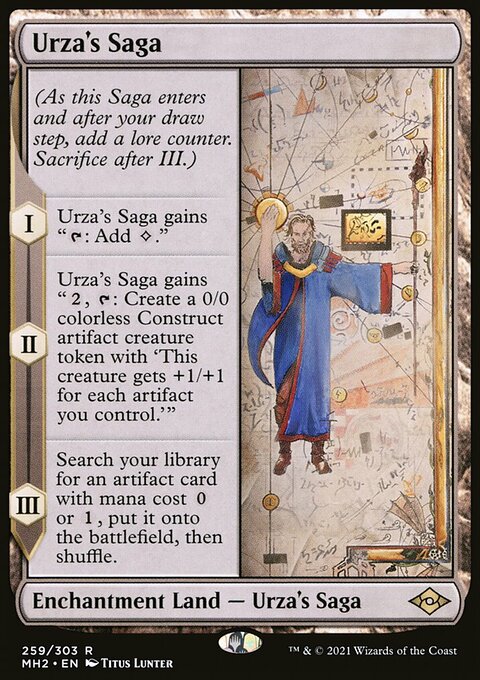
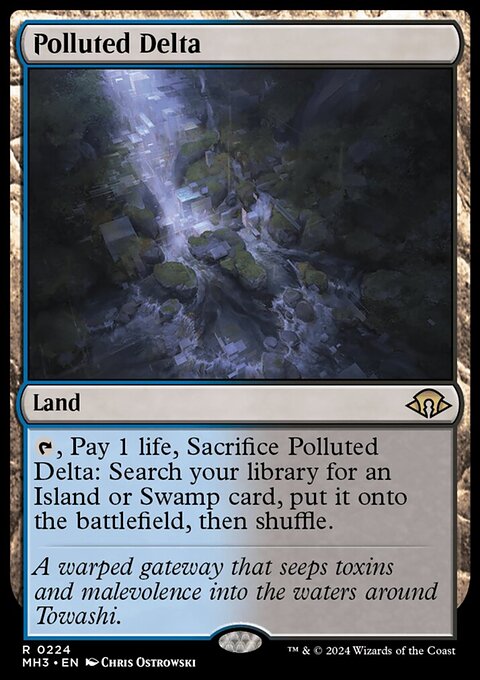
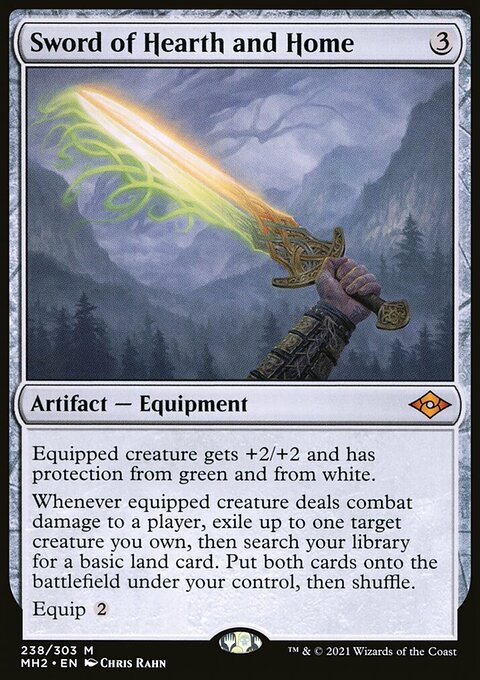
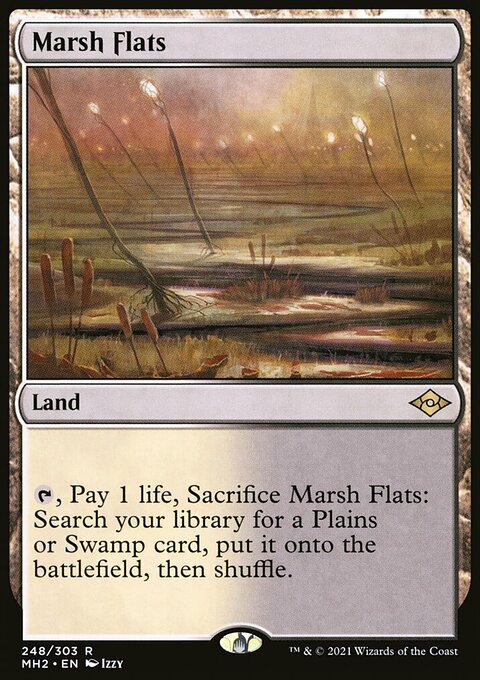
Colorless Commander staples
Artifacts and lands every deck can play, whatever its colors.
| # | Card | Lift Win-rate lift |
|---|---|---|
| 1 |

|
+8.9 pp |
| 2 |

|
+7.5 pp |
| 3 |

|
+7.8 pp |
| 4 |

|
+7.0 pp |
| 5 |
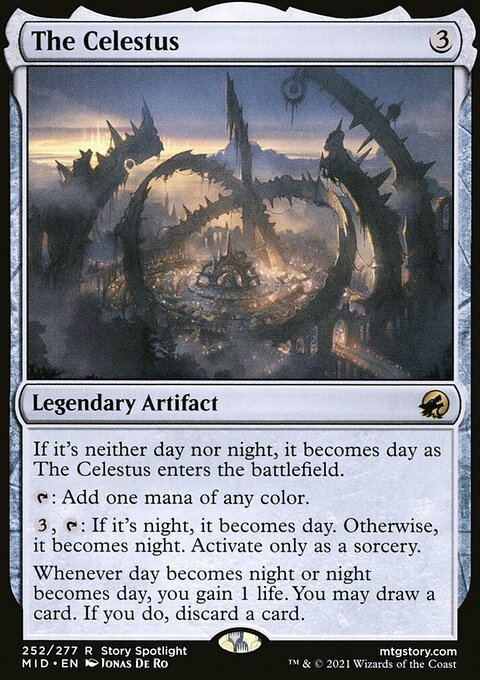
|
+9.3 pp |
| 6 |
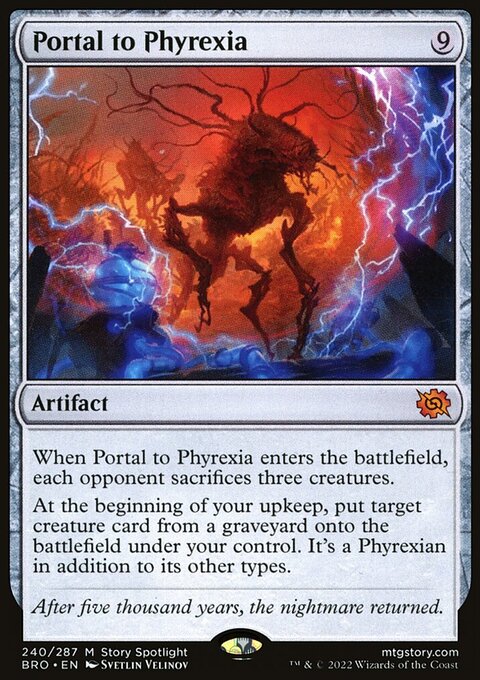
|
+5.2 pp |
| 7 |

|
+5.9 pp |
| 8 |

|
+5.0 pp |
| 9 |
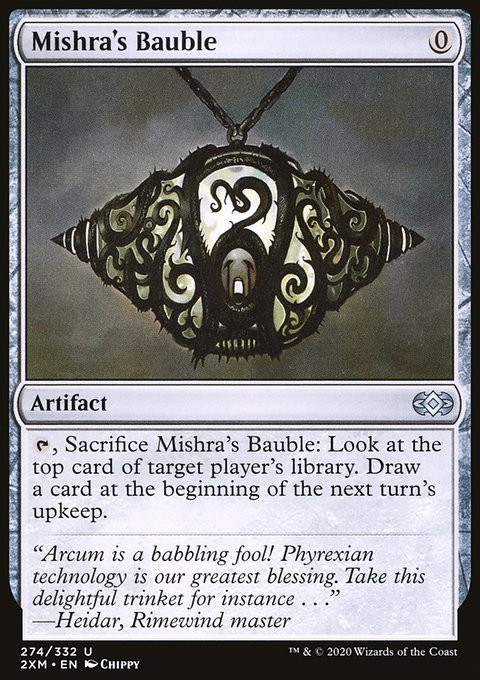
|
+5.2 pp |
| 10 |

|
+3.9 pp |
Show 15 more Colorless staples (ranks 11-25)
| # | Card | Lift Win-rate lift |
|---|---|---|
| 11 |

|
+6.1 pp |
| 12 |

|
+5.2 pp |
| 13 |

|
+3.9 pp |
| 14 |

|
+5.6 pp |
| 15 |
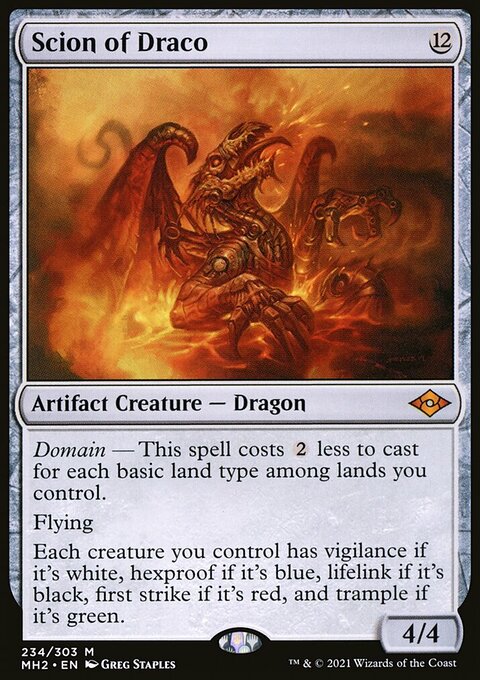
|
+5.1 pp |
| 16 |

|
+4.2 pp |
| 17 |

|
+3.8 pp |
| 18 |
|
+3.3 pp |
| 19 |

|
+5.0 pp |
| 20 |
|
+3.1 pp |
| 21 |

|
+4.0 pp |
| 22 |

|
+4.4 pp |
| 23 |
|
+3.9 pp |
| 24 |

|
+3.6 pp |
| 25 |
|
+2.8 pp |
Every row clears the same gates: at least 300 games with the card, 15 distinct commander and pod-size comparisons, 20 distinct pilots, and no single pilot above 15% of the sample.

White Commander staples
The mono-white cards with the largest measured win-rate lift.
| # | Card | Lift Win-rate lift |
|---|---|---|
| 1 |
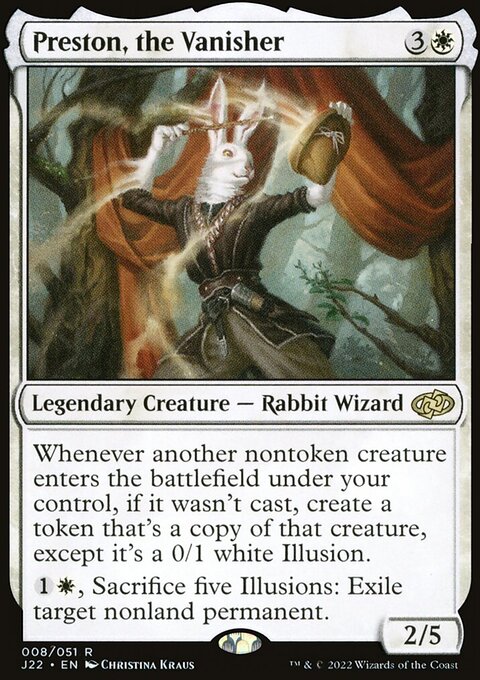
|
+9.8 pp |
| 2 |
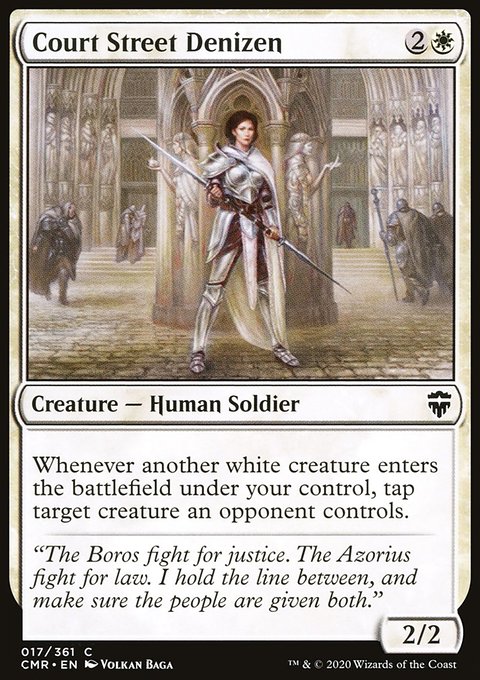
|
+11.8 pp |
| 3 |

|
+10.2 pp |
| 4 |

|
+8.5 pp |
| 5 |

|
+7.7 pp |
| 6 |

|
+7.8 pp |
| 7 |

|
+8.0 pp |
| 8 |

|
+5.4 pp |
| 9 |

|
+5.4 pp |
| 10 |
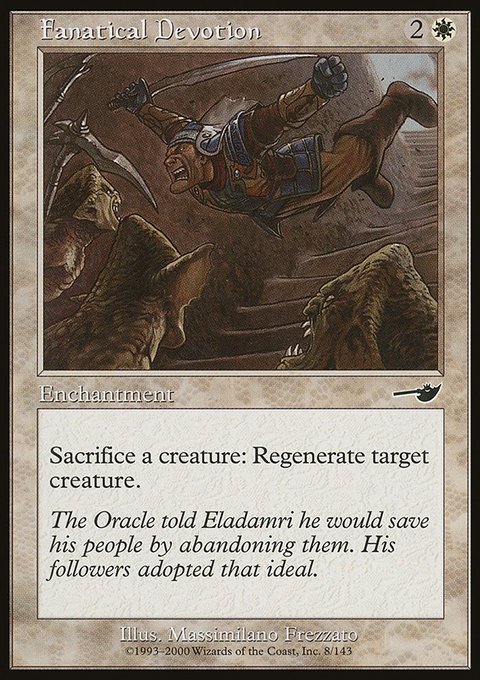
|
+6.9 pp |
Show 15 more White staples (ranks 11-25)
| # | Card | Lift Win-rate lift |
|---|---|---|
| 11 |
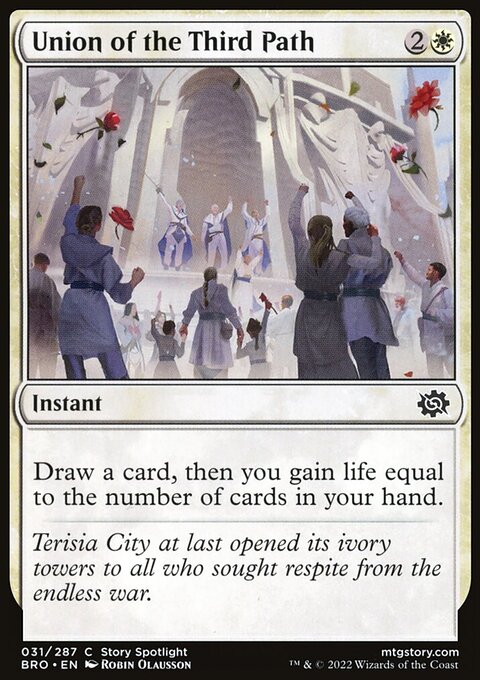
|
+8.5 pp |
| 12 |
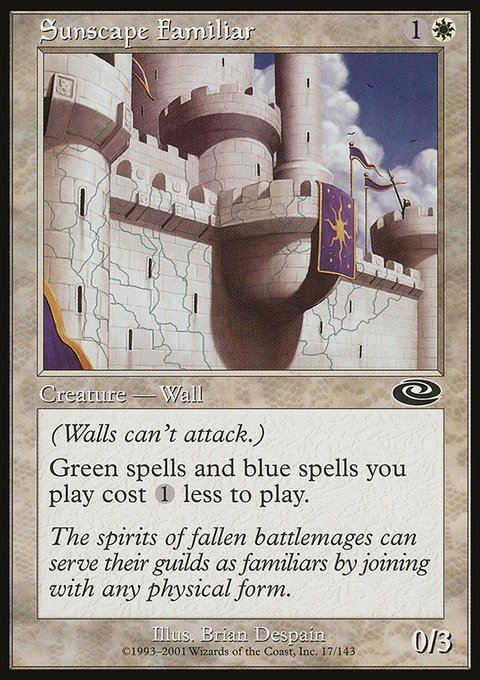
|
+8.5 pp |
| 13 |

|
+5.3 pp |
| 14 |

|
+4.7 pp |
| 15 |

|
+3.8 pp |
| 16 |

|
+3.8 pp |
| 17 |
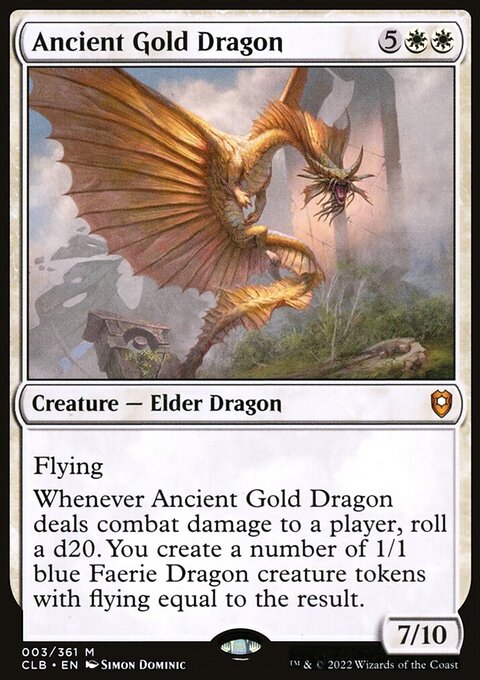
|
+4.6 pp |
| 18 |

|
+5.0 pp |
| 19 |

|
+4.1 pp |
| 20 |

|
+7.2 pp |
| 21 |
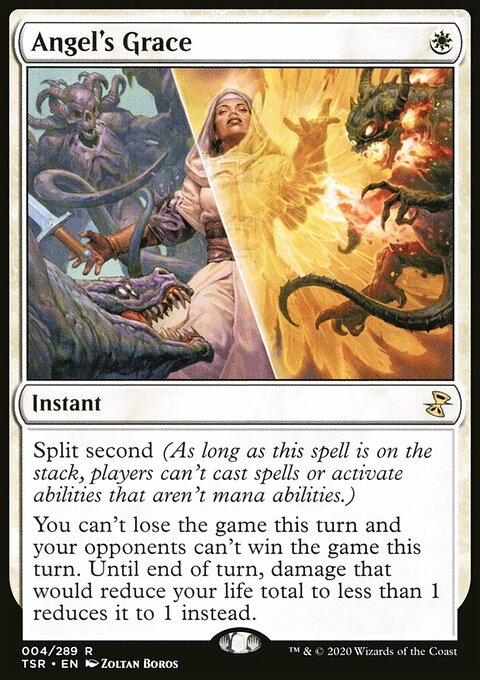
|
+4.3 pp |
| 22 |
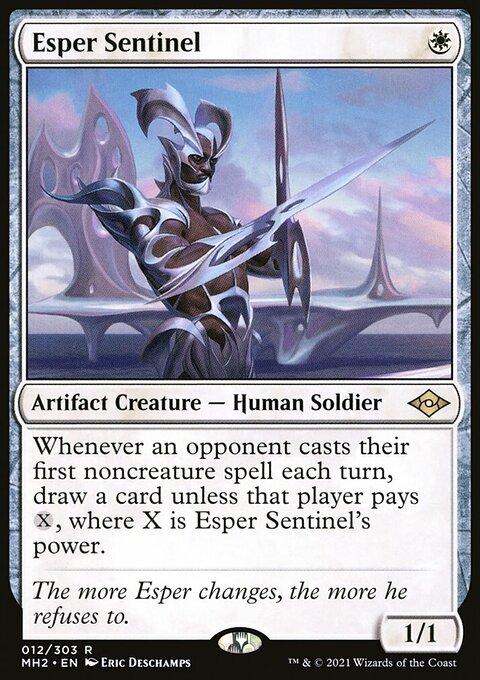
|
+3.1 pp |
| 23 |

|
+5.0 pp |
| 24 |

|
+5.9 pp |
| 25 |

|
+4.0 pp |
Every row clears the same gates: at least 300 games with the card, 15 distinct commander and pod-size comparisons, 20 distinct pilots, and no single pilot above 15% of the sample.

Blue Commander staples
The mono-blue cards with the largest measured win-rate lift.
| # | Card | Lift Win-rate lift |
|---|---|---|
| 1 |

|
+9.9 pp |
| 2 |

|
+8.5 pp |
| 3 |

|
+8.9 pp |
| 4 |
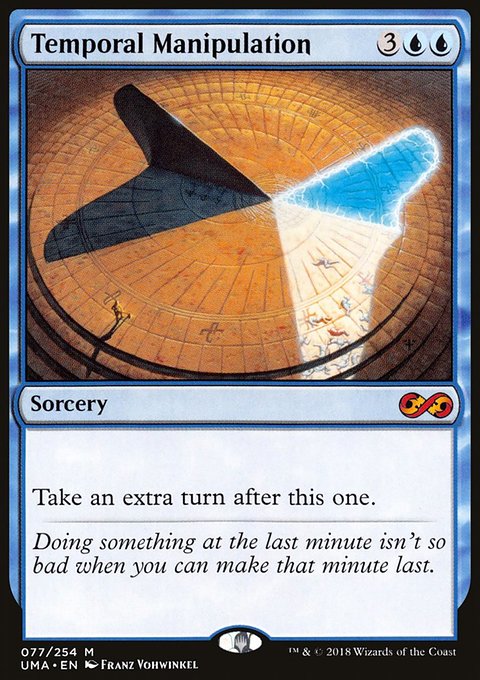
|
+7.8 pp |
| 5 |
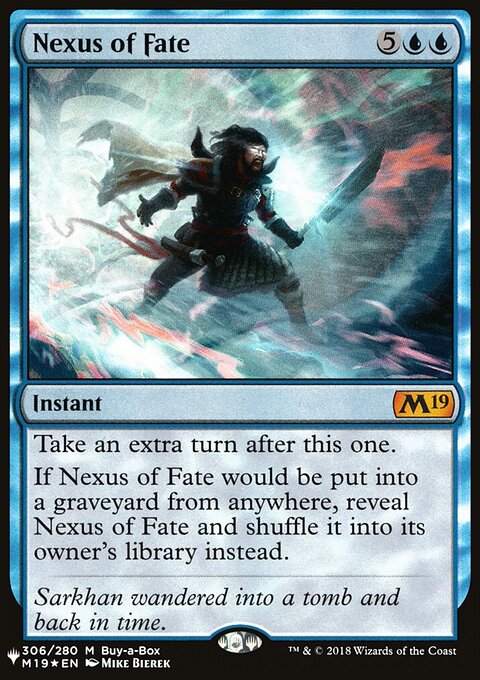
|
+7.1 pp |
| 6 |

|
+7.2 pp |
| 7 |

|
+9.0 pp |
| 8 |
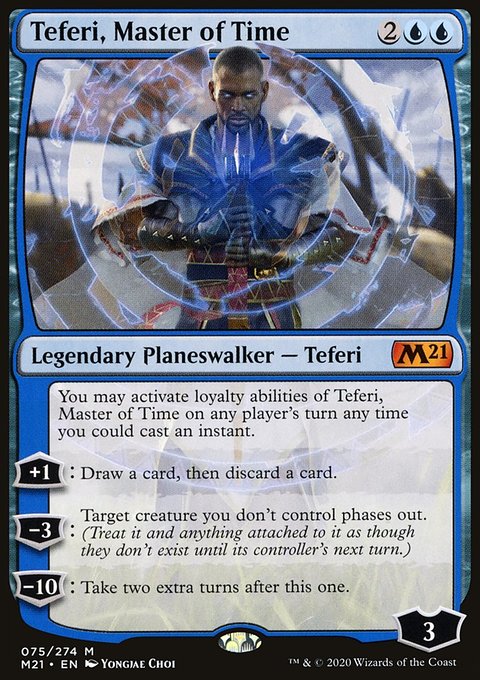
|
+6.0 pp |
| 9 |

|
+7.8 pp |
| 10 |

|
+6.2 pp |
Show 15 more Blue staples (ranks 11-25)
| # | Card | Lift Win-rate lift |
|---|---|---|
| 11 |

|
+5.1 pp |
| 12 |

|
+4.8 pp |
| 13 |

|
+6.4 pp |
| 14 |

|
+6.8 pp |
| 15 |
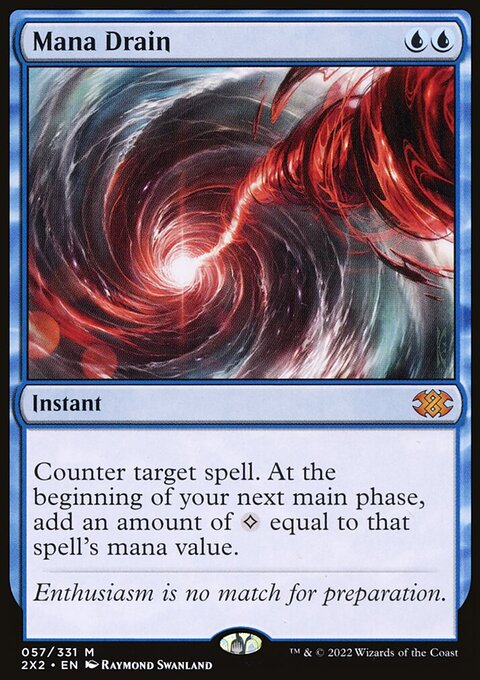
|
+4.0 pp |
| 16 |

|
+8.4 pp |
| 17 |

|
+6.3 pp |
| 18 |

|
+5.1 pp |
| 19 |

|
+4.6 pp |
| 20 |
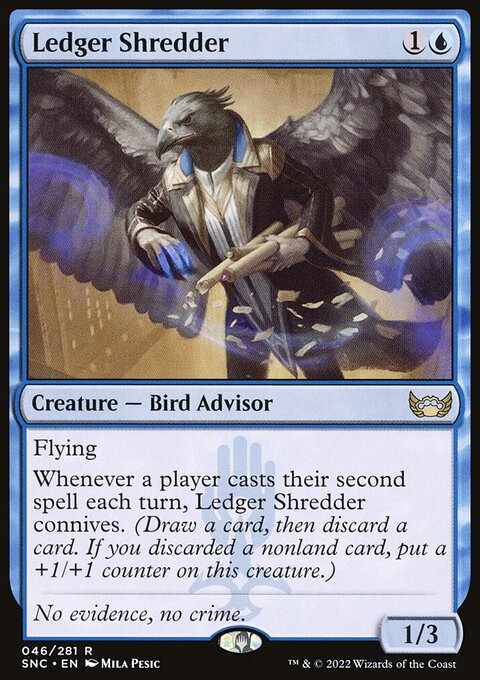
|
+4.5 pp |
| 21 |
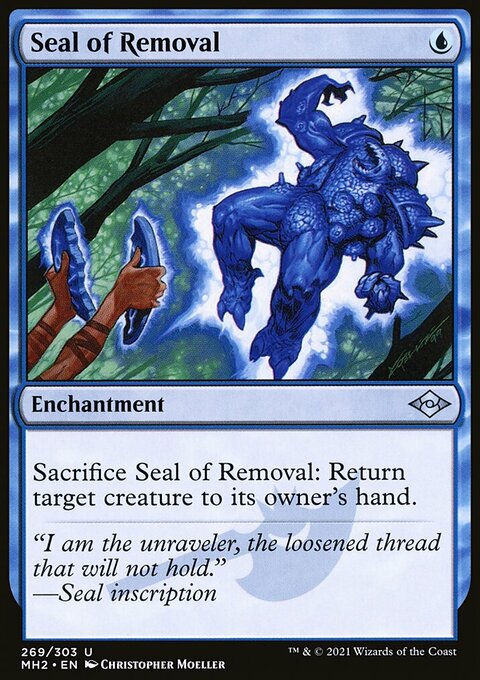
|
+7.9 pp |
| 22 |

|
+3.6 pp |
| 23 |
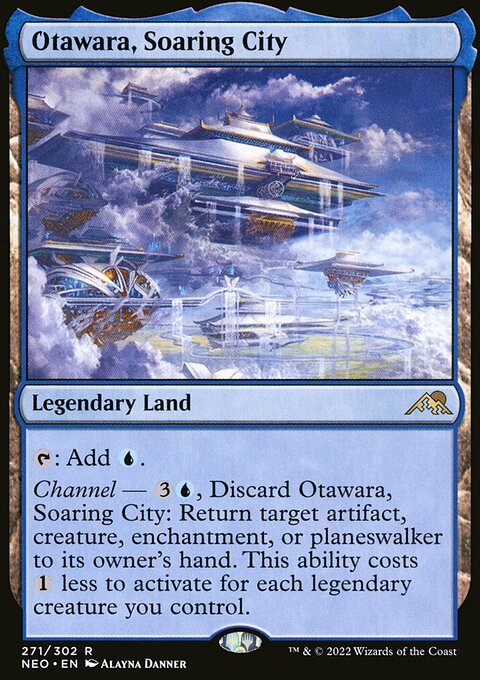
|
+3.7 pp |
| 24 |

|
+5.4 pp |
| 25 |
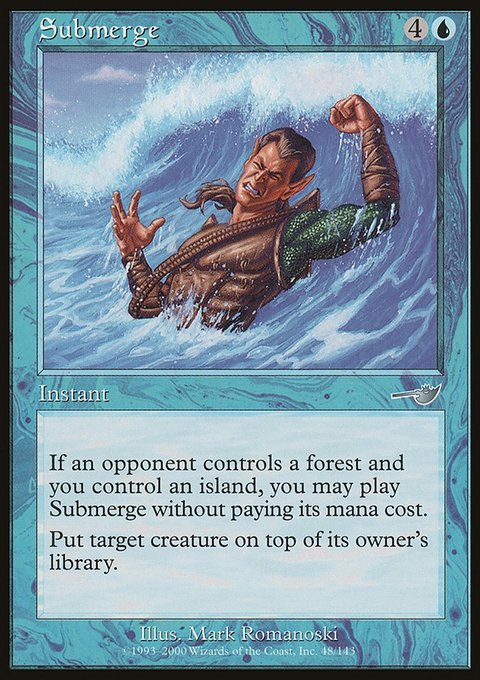
|
+5.5 pp |
Every row clears the same gates: at least 300 games with the card, 15 distinct commander and pod-size comparisons, 20 distinct pilots, and no single pilot above 15% of the sample.

Black Commander staples
The mono-black cards with the largest measured win-rate lift.
| # | Card | Lift Win-rate lift |
|---|---|---|
| 1 |

|
+6.6 pp |
| 2 |

|
+7.7 pp |
| 3 |
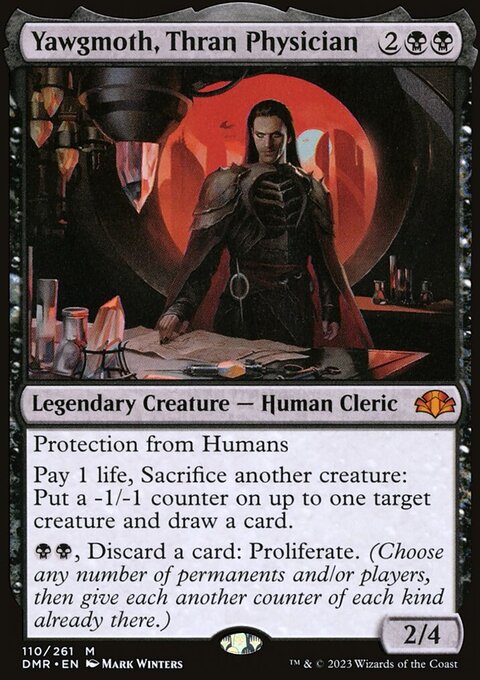
|
+5.4 pp |
| 4 |
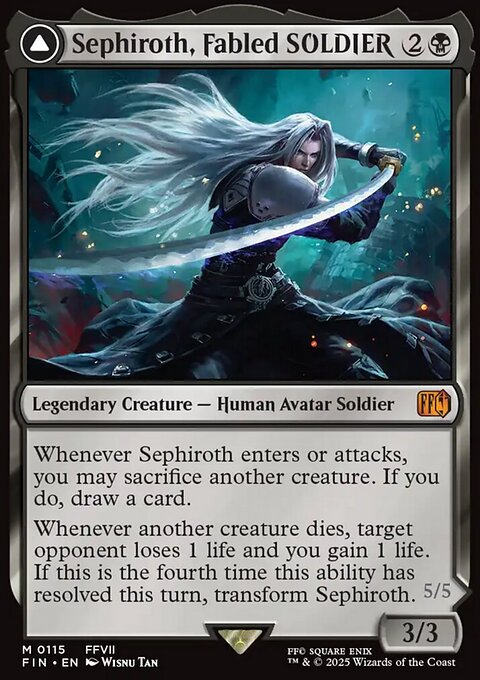
|
+5.4 pp |
| 5 |

|
+5.1 pp |
| 6 |
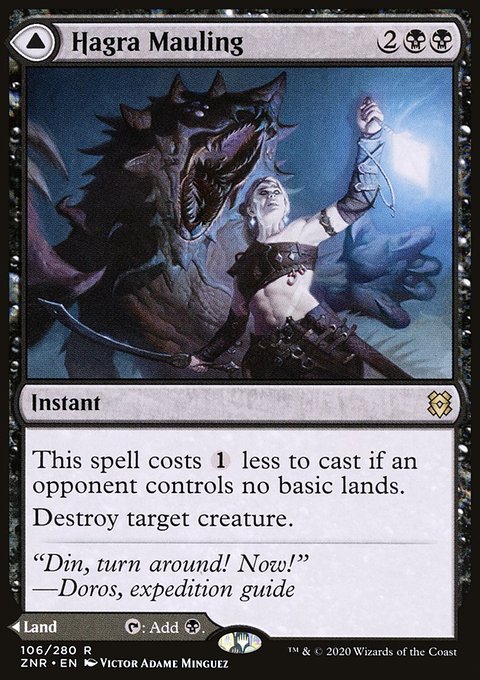
|
+5.5 pp |
| 7 |

|
+5.2 pp |
| 8 |

|
+5.9 pp |
| 9 |

|
+4.2 pp |
| 10 |

|
+8.1 pp |
Show 15 more Black staples (ranks 11-25)
| # | Card | Lift Win-rate lift |
|---|---|---|
| 11 |
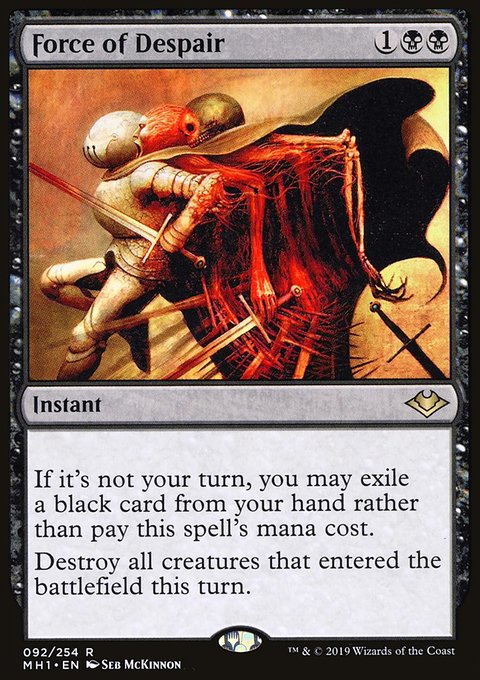
|
+5.5 pp |
| 12 |

|
+4.3 pp |
| 13 |

|
+4.2 pp |
| 14 |
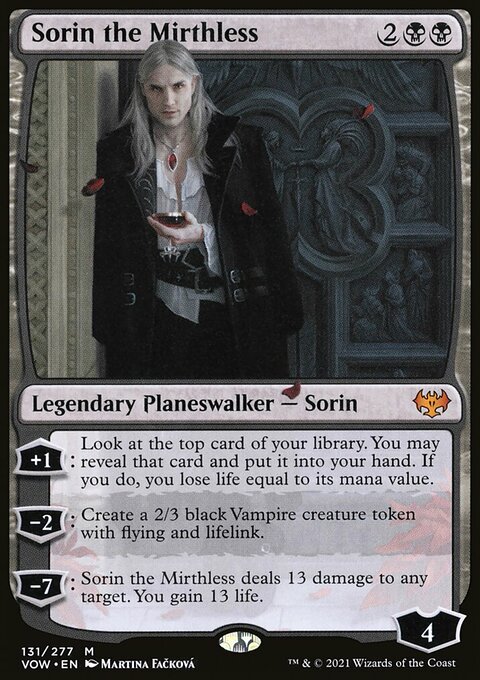
|
+7.5 pp |
| 15 |

|
+4.6 pp |
| 16 |

|
+5.4 pp |
| 17 |

|
+4.1 pp |
| 18 |

|
+6.4 pp |
| 19 |

|
+3.9 pp |
| 20 |

|
+4.8 pp |
| 21 |

|
+4.6 pp |
| 22 |
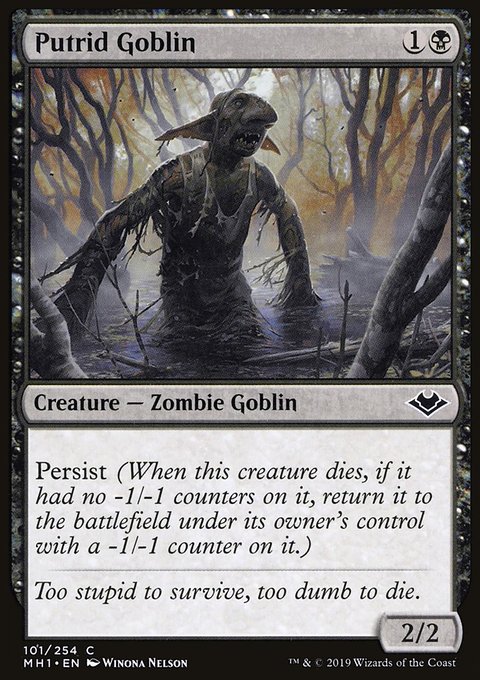
|
+5.9 pp |
| 23 |

|
+3.4 pp |
| 24 |

|
+6.9 pp |
| 25 |

|
+4.6 pp |
Every row clears the same gates: at least 300 games with the card, 15 distinct commander and pod-size comparisons, 20 distinct pilots, and no single pilot above 15% of the sample.

Red Commander staples
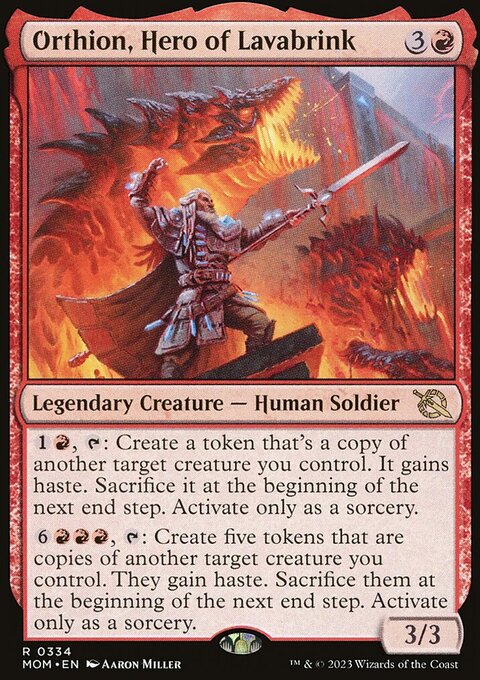
The mono-red cards with the largest measured win-rate lift.
| # | Card | Lift Win-rate lift |
|---|---|---|
| 1 |

|
+10.3 pp |
| 2 |

|
+9.1 pp |
| 3 |

|
+5.7 pp |
| 4 |

|
+5.3 pp |
| 5 |

|
+7.4 pp |
| 6 |

|
+6.8 pp |
| 7 |

|
+6.9 pp |
| 8 |

|
+4.5 pp |
| 9 |

|
+5.0 pp |
| 10 |
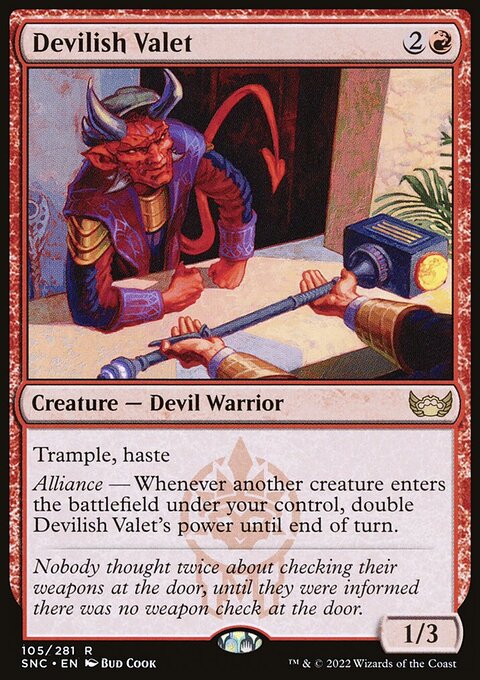
|
+5.6 pp |
Show 15 more Red staples (ranks 11-25)
| # | Card | Lift Win-rate lift |
|---|---|---|
| 11 |
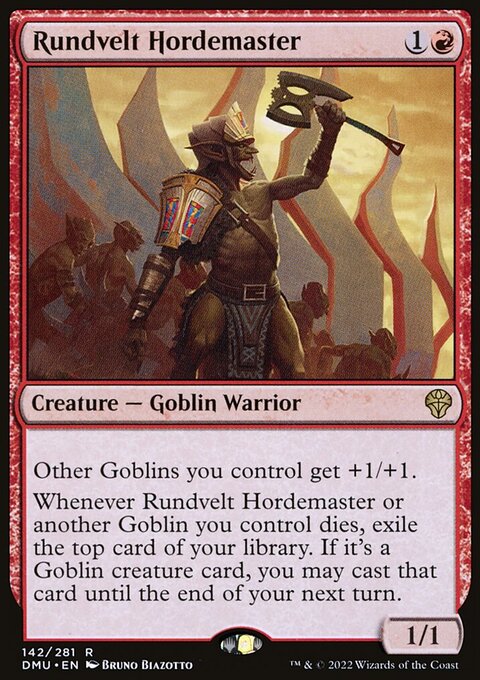
|
+6.4 pp |
| 12 |
|
+5.7 pp |
| 13 |

|
+4.8 pp |
| 14 |

|
+3.6 pp |
| 15 |

|
+3.8 pp |
| 16 |

|
+4.3 pp |
| 17 |

|
+5.9 pp |
| 18 |

|
+5.8 pp |
| 19 |

|
+3.8 pp |
| 20 |

|
+5.5 pp |
| 21 |

|
+3.9 pp |
| 22 |

|
+2.9 pp |
| 23 |

|
+5.0 pp |
| 24 |

|
+6.7 pp |
| 25 |

|
+3.6 pp |
Every row clears the same gates: at least 300 games with the card, 15 distinct commander and pod-size comparisons, 20 distinct pilots, and no single pilot above 15% of the sample.

Green Commander staples
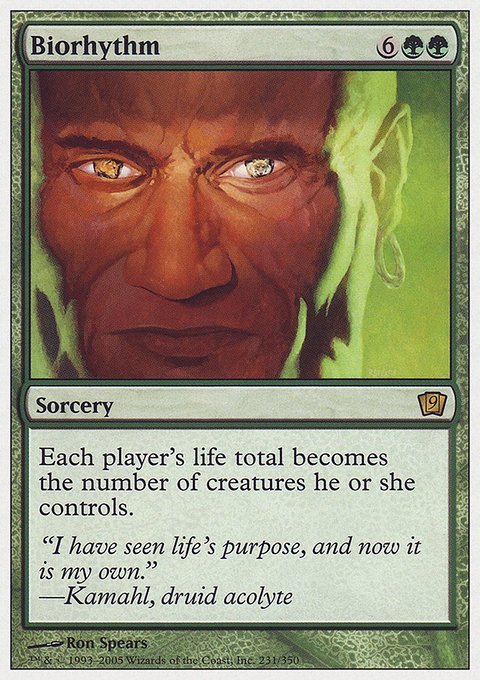
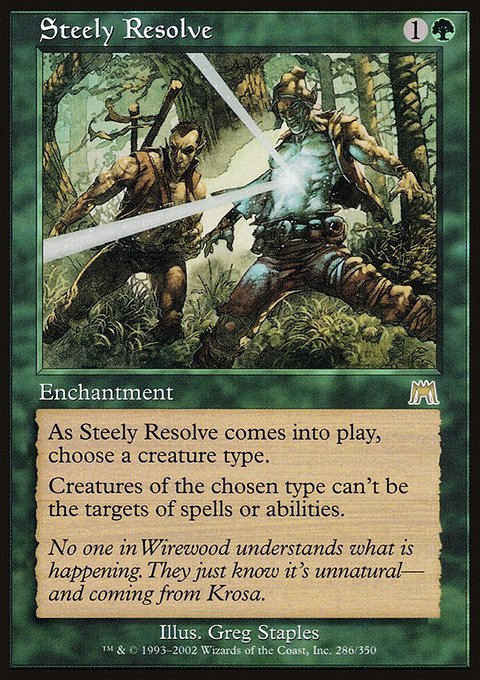
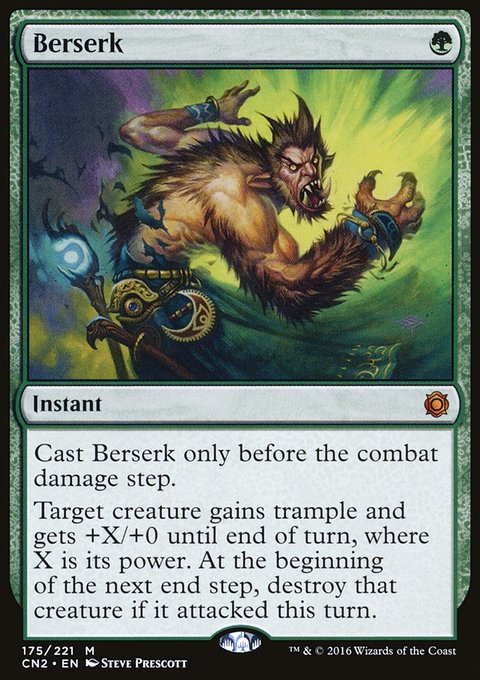
The mono-green cards with the largest measured win-rate lift.
| # | Card | Lift Win-rate lift |
|---|---|---|
| 1 |

|
+10.5 pp |
| 2 |

|
+8.0 pp |
| 3 |

|
+5.8 pp |
| 4 |

|
+5.6 pp |
| 5 |

|
+5.3 pp |
| 6 |

|
+7.7 pp |
| 7 |

|
+4.3 pp |
| 8 |

|
+4.9 pp |
| 9 |

|
+5.2 pp |
| 10 |
|
+7.2 pp |
Show 15 more Green staples (ranks 11-25)
| # | Card | Lift Win-rate lift |
|---|---|---|
| 11 |

|
+5.3 pp |
| 12 |
|
+6.2 pp |
| 13 |

|
+6.0 pp |
| 14 |
|
+5.7 pp |
| 15 |

|
+5.1 pp |
| 16 |

|
+5.1 pp |
| 17 |

|
+4.6 pp |
| 18 |
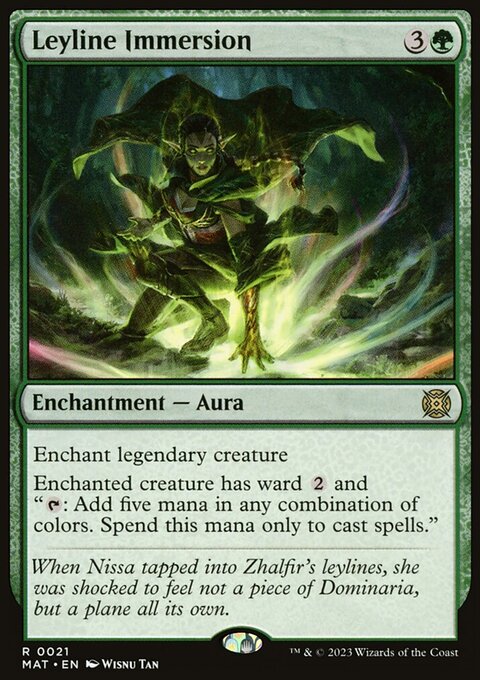
|
+6.4 pp |
| 19 |

|
+4.1 pp |
| 20 |
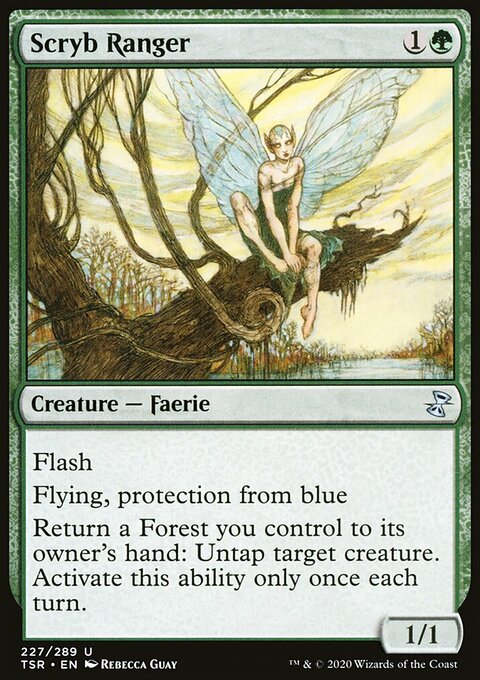
|
+8.3 pp |
| 21 |

|
+4.8 pp |
| 22 |

|
+5.9 pp |
| 23 |

|
+4.1 pp |
| 24 |

|
+5.4 pp |
| 25 |

|
+5.2 pp |
Every row clears the same gates: at least 300 games with the card, 15 distinct commander and pod-size comparisons, 20 distinct pilots, and no single pilot above 15% of the sample.
Multicolor Commander staples
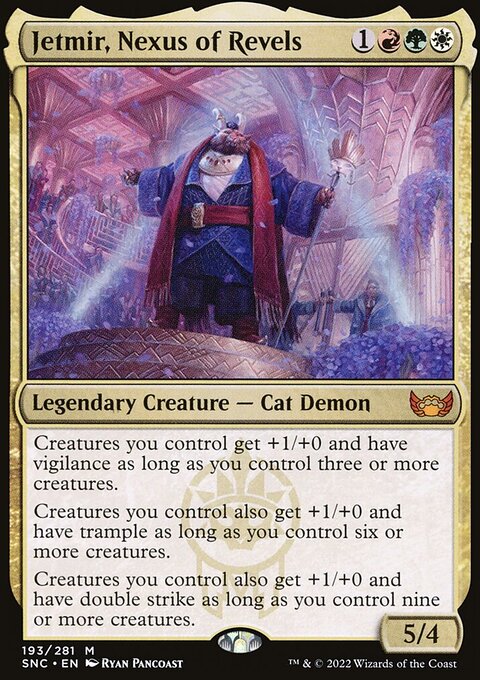
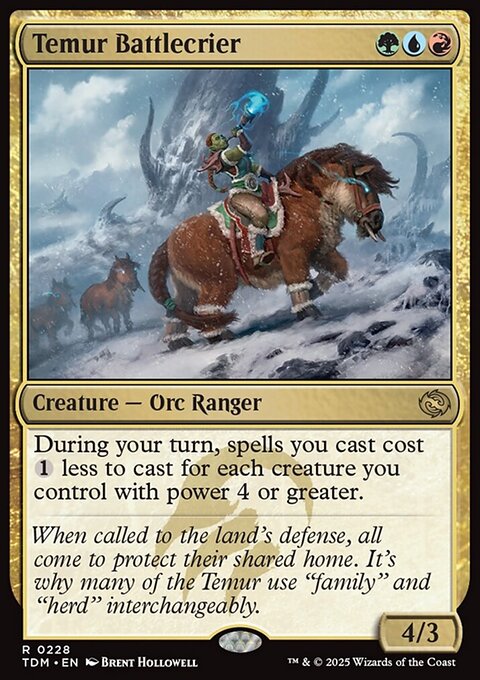
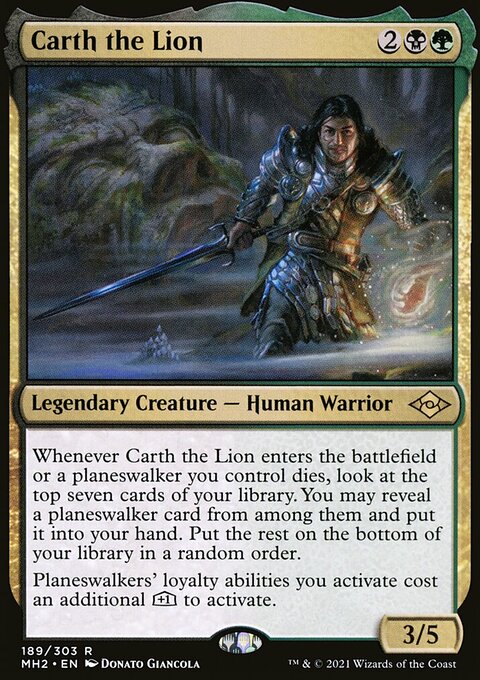
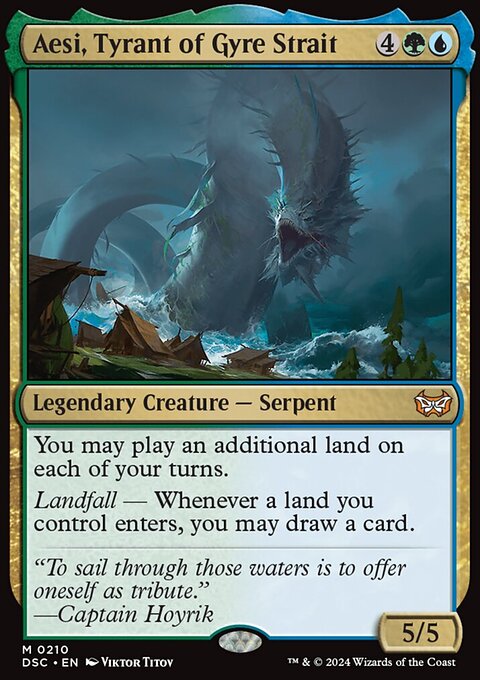
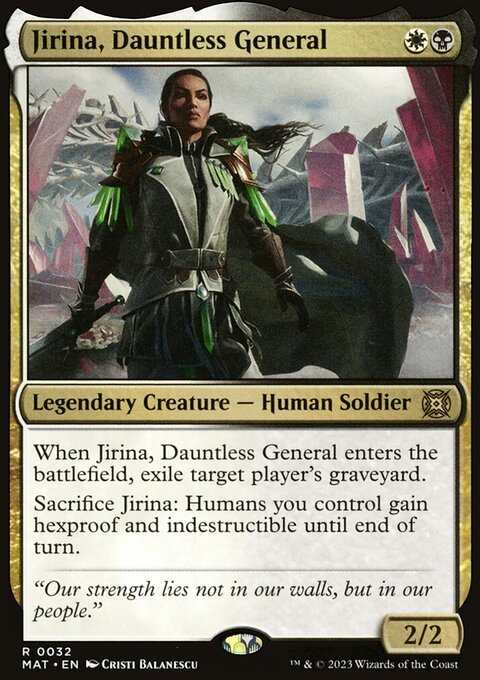
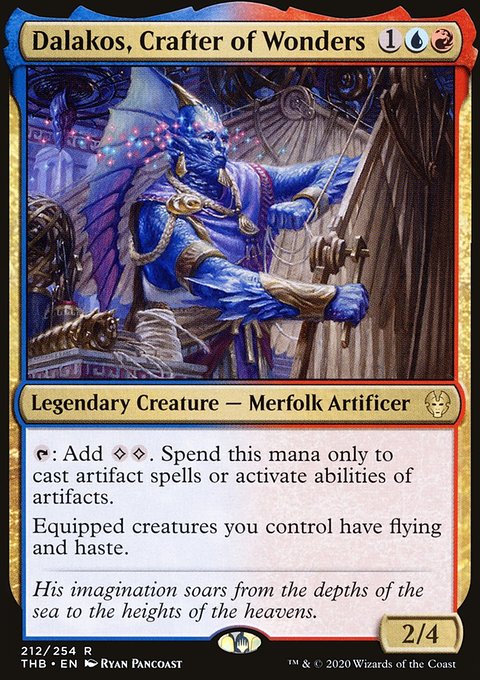
Every card with two or more colors in its identity, pooled into one ranking.
| # | Card | Lift Win-rate lift |
|---|---|---|
| 1 |
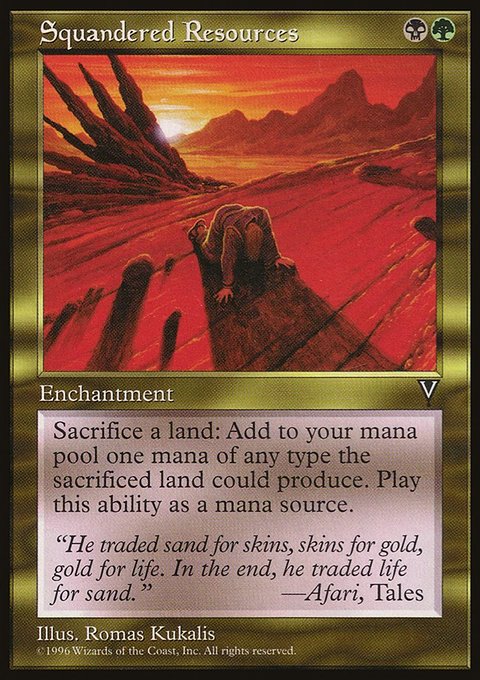
|
+9.8 pp |
| 2 |

|
+10.0 pp |
| 3 |
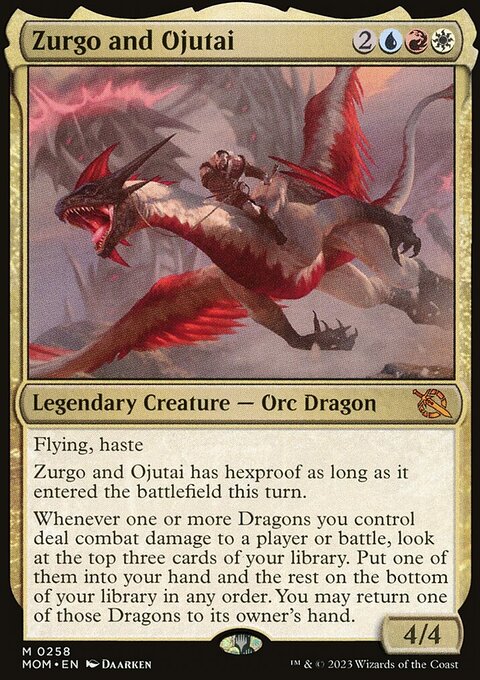
|
+9.1 pp |
| 4 |

|
+7.8 pp |
| 5 |

|
+9.0 pp |
| 6 |

|
+8.2 pp |
| 7 |
|
+7.0 pp |
| 8 |

|
+9.3 pp |
| 9 |

|
+7.1 pp |
| 10 |

|
+7.4 pp |
Show 15 more Multicolor staples (ranks 11-25)
| # | Card | Lift Win-rate lift |
|---|---|---|
| 11 |
|
+6.1 pp |
| 12 |

|
+6.3 pp |
| 13 |

|
+6.2 pp |
| 14 |
|
+7.8 pp |
| 15 |

|
+8.8 pp |
| 16 |

|
+7.9 pp |
| 17 |

|
+5.9 pp |
| 18 |

|
+6.2 pp |
| 19 |
|
+5.5 pp |
| 20 |

|
+5.2 pp |
| 21 |

|
+6.1 pp |
| 22 |
|
+7.1 pp |
| 23 |

|
+4.6 pp |
| 24 |
|
+8.2 pp |
| 25 |

|
+7.8 pp |
Every row clears the same gates: at least 300 games with the card, 15 distinct commander and pod-size comparisons, 20 distinct pilots, and no single pilot above 15% of the sample.
How these Commander staples are ranked
Every tracked game is sorted into groups of "same commander, same pod size". Inside each group we compare decks that run the card against decks that do not, which is the only comparison where the commander cannot take credit for the card. Those per-group differences are pooled with Mantel-Haenszel weighting, a standard method for combining many small matched comparisons without letting one big group dominate, and each card gets a win-rate lift with a 95% confidence interval. Lists are ordered by the LOWER bound of that interval, so a card with a huge but uncertain number sits below a card with a smaller, well-measured one.
One honest caveat: this is an observational estimate, not a randomized experiment. Decks that run a card differ from decks that do not in more ways than the card, and the builder's skill travels with the deck. Ranking on the lower bound also guards against the winner's curse, the tendency for whatever sits at the top of any list to be the luckiest estimate as well as a good one.
A card also needs at least 25 distinct decks running it, and a commander / pod-size group only counts when it has at least 5 games on both sides of the comparison. Miss any gate and the card is not published at all.
These lists are computed from the subset of Playgroup's 730,000+ recorded Commander games that have a full decklist attached and a 3-5 player pod (208,612 games clear that filter).
What the "Archetype" tag means
A synergy card is only measured against the commanders that actually play it, so a large lift can belong to one shell rather than to Commander in general. Rows carry the Archetype tag when that evidence is concentrated: fewer than 20 distinct commanders, or more than 45% of the weight sitting in the top three. The tag does not change the ranking and it is not a warning: it tells you the card is excellent in a specific deck, and says nothing about the rest.
Why this is not "win rate when cast"
Win-rate-when-cast metrics overrate finishers. Craterhoof Behemoth wins a huge share of the games where it resolves, but that is survivorship: you cast it in the games you were already winning. Measured at the deck level against the same commander without it, the effect is about one percentage point. Adding a card to your deck is a deck-level decision, so it deserves a deck-level number, and that is the only number on this page.
Popularity is a different question, and EDHREC answers it better than we do: it measures how many decklists contain a card. Rules-defined power level is another question again, answered by the official Commander Brackets announcement and the Game Changers list . This page only answers the third: does the card win games.
Commander staples FAQ
What is a Commander staple?
How is this different from EDHREC inclusion rates?
How is this different from the Commander Game Changers list?
Why does this list look so different from other Commander staples lists?
Why isn't Craterhoof Behemoth at the top?
How often are the Commander staples updated?
Lift measured from Commander games tracked on Playgroup.gg. Every card name links to its full stat page.