
The best color combinations in Commander, ranked by win rate

 Izzet leads every combination with at least 10,000 games
Across 636,866 tracked games, the best combination in a four-player game wins 28.23% and the worst wins 22.28% . An even share would be 25% . Which colors you combine matters far more than which colors they are.
Over 41,003 games. Temur is Izzet plus green, and those two are the only combinations with at least 10,000 games sitting more than two points above 25%.
Over 19,903 games. Decks whose color identity is exactly blue. It is the single color furthest above 25%.
Tracked Commander games with one winner, out of 670,472 we have. That is 2,097,101 decks played.
What is the best color combination in Commander?
Izzet wins 28.2% of four-player games over 40,736 games. That is the best of any combination with at least 10,000 games. Temur at 27.6% is the best three-color combination, and blue is the best mono color at 27.4%. An even share in a four-player game is 25%. Count the five colors one at a time instead, across every deck that contains them, and they finish within 0.73 points of each other. The combination is the part worth arguing about.
The combinations most often named as the strongest, Dimir, Sultai and Grixis, are three of the bottom five in this data: 23.0%, 22.9% and 22.3%. Every number here is a plain win rate from games with one winner, measured against 25%. Color is chosen, not assigned, so these are facts about the decks people build in a combination, not about the combination itself.
Best color combinations
Every color combination of two or more colors, ranked by win rate in four-player games. A deck belongs to exactly one of these rows: its full color identity. Decks in a single color are the second ranking below, and the 9,000 games played by colorless decks are neither.
Best first.
|
|
Izzet | 28.23% | 40,736 games |

|
Temur | 27.55% | 41,003 games |

|
Boros | 26.21% | 34,867 games |

|
Five Color | 26.11% | 66,549 games |
|
|
Esper | 25.95% | 51,272 games |
Worst last.
|
|
Gruul | 23.81% | 41,528 games |
|
|
Selesnya | 23.35% | 27,453 games |
|
|
Dimir | 22.96% | 42,670 games |
|
|
Sultai | 22.93% | 40,545 games |
|
|
Grixis | 22.28% | 51,963 games |
Three four-color combinations have a higher win rate than Izzet but fewer than 10,000 games each, so they are left out of this strip. They are in the four-color table below, with the reason to be careful with them.
Two-color combinations
All ten two-color combinations, best win rate first, in four-player games.
| Colors | Combination | Most played commander | Win rate | Games | Vs 25% |
|---|---|---|---|---|---|
|
|
Izzet
best Izzet commanders
|
 Stella Lee, Wild Card
|
28.23% | 40,736 | +3.23 points |
|
|
Boros
best Boros commanders
|
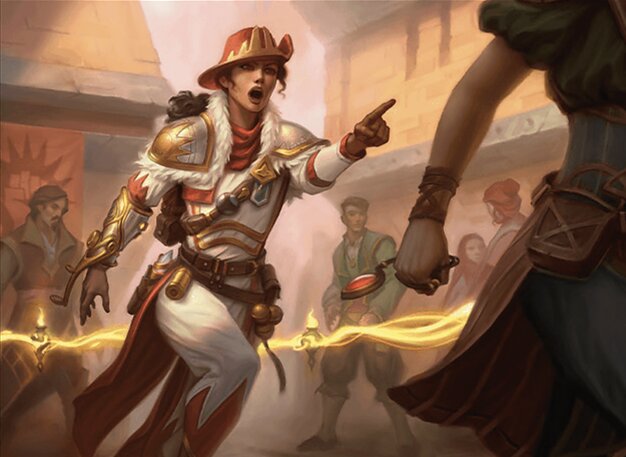 Nelly Borca, Impulsive Accuser
|
26.21% | 34,867 | +1.21 points |
|
|
Orzhov
best Orzhov commanders
|
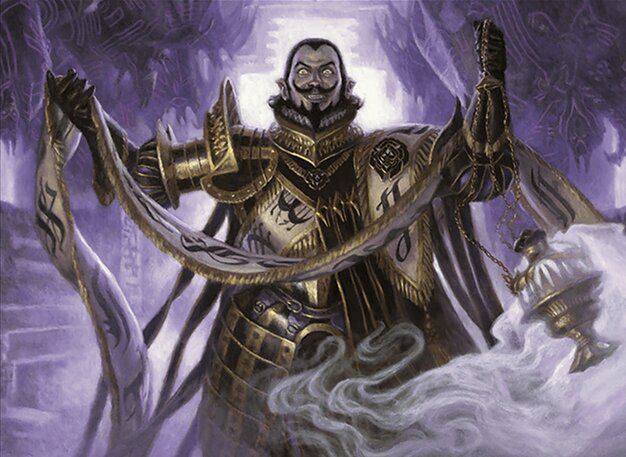 Clavileño, First of the Blessed
|
25.94% | 37,921 | +0.94 points |
|
|
Azorius
best Azorius commanders
|
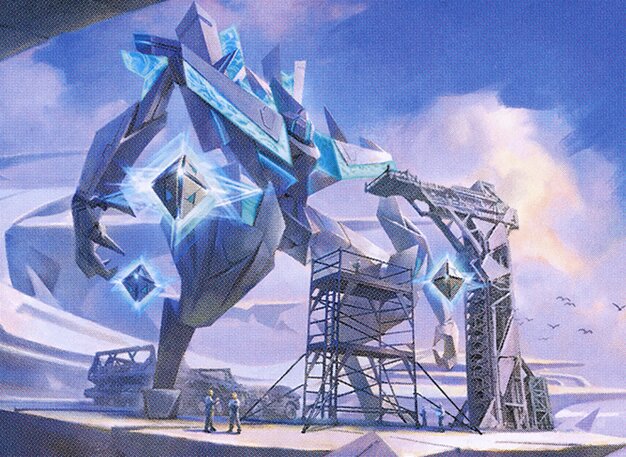 Shorikai, Genesis Engine
|
25.69% | 26,445 | +0.69 points |
|
|
Simic
best Simic commanders
|
 Hakbal of the Surging Soul
|
25.41% | 43,565 | +0.41 points |
|
|
Golgari
best Golgari commanders
|
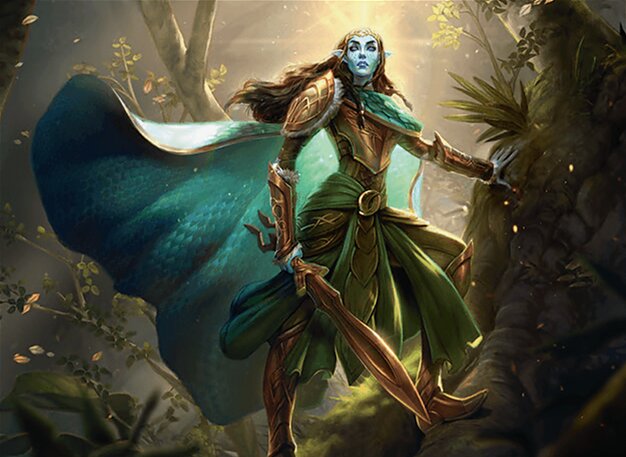 Lathril, Blade of the Elves
|
24.45% | 48,730 | -0.55 points |
|
|
Rakdos
best Rakdos commanders
|
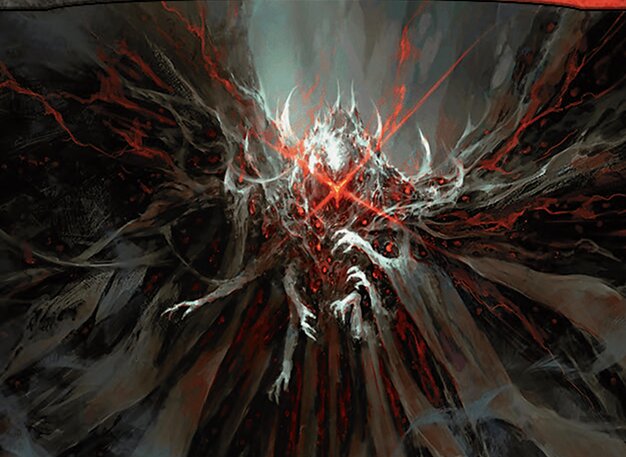 Valgavoth, Harrower of Souls
|
24.35% | 44,849 | -0.65 points |
|
|
Gruul
best Gruul commanders
|
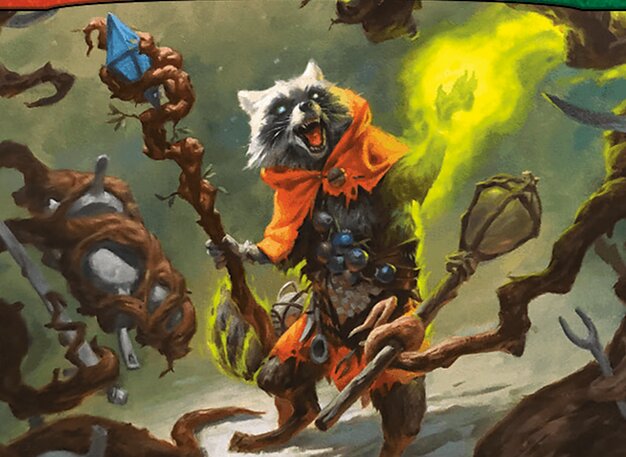 Bello, Bard of the Brambles
|
23.81% | 41,528 | -1.19 points |
|
|
Selesnya
best Selesnya commanders
|
 Ellivere of the Wild Court
|
23.35% | 27,453 | -1.65 points |
|
|
Dimir
best Dimir commanders
|
 Yuriko, the Tiger's Shadow
|
22.96% | 42,670 | -2.04 points |
Three-color combinations
All ten three-color combinations, best win rate first, in four-player games.
| Colors | Combination | Most played commander | Win rate | Games | Vs 25% |
|---|---|---|---|---|---|
|
|
Temur
best Temur commanders
|
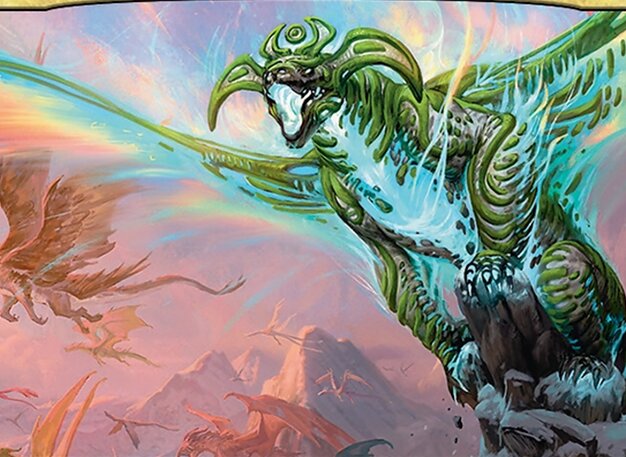 Ureni of the Unwritten
|
27.55% | 41,003 | +2.55 points |
|
|
Esper
best Esper commanders
|
 Y'shtola, Night's Blessed
|
25.95% | 51,272 | +0.95 points |
|
|
Naya
best Naya commanders
|
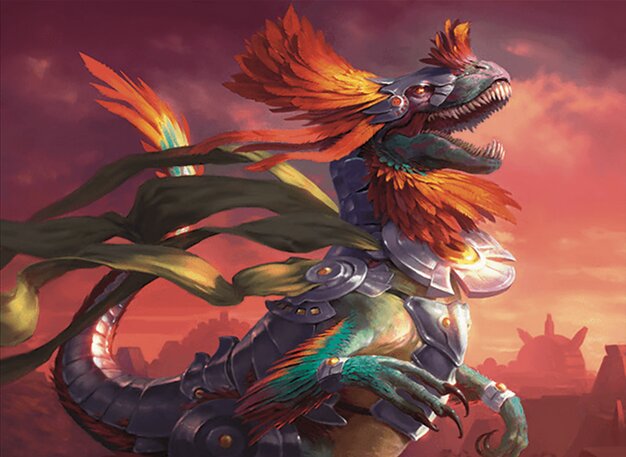 Pantlaza, Sun-Favored
|
25.37% | 57,629 | +0.37 points |
|
|
Jund
best Jund commanders
|
 Hearthhull, the Worldseed
|
25.34% | 34,351 | +0.34 points |
|
|
Mardu
best Mardu commanders
|
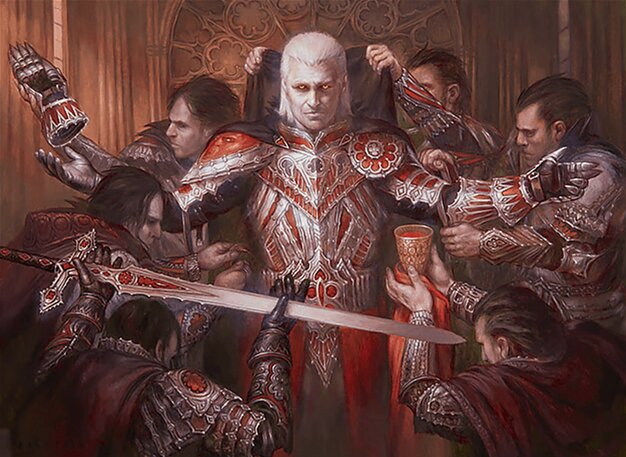 Edgar Markov
|
25.27% | 50,563 | +0.27 points |
|
|
Jeskai
best Jeskai commanders
|
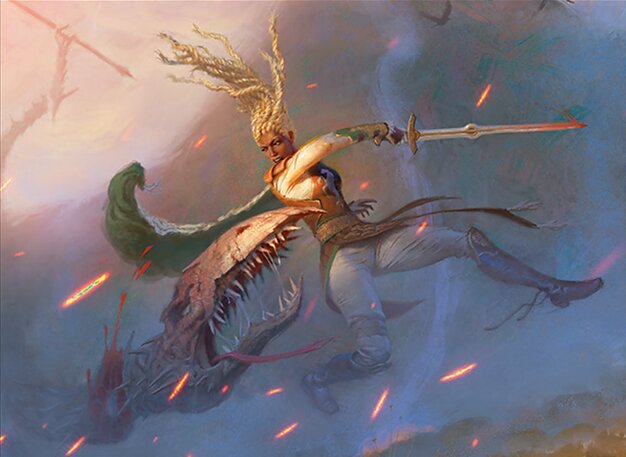 Éowyn, Shieldmaiden
|
24.88% | 46,008 | -0.12 points |
|
|
Bant
best Bant commanders
|
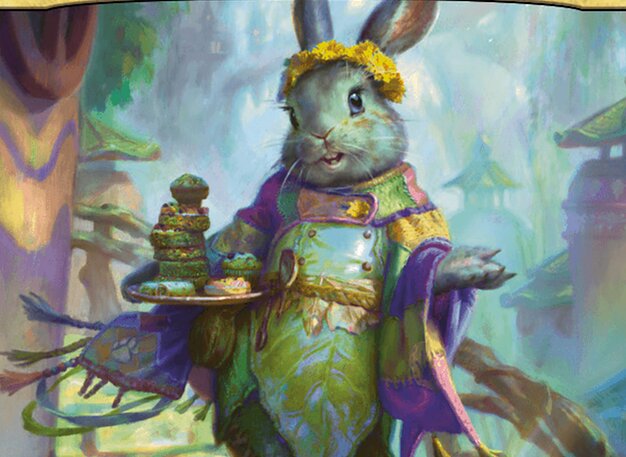 Ms. Bumbleflower
|
24.74% | 37,731 | -0.26 points |
|
|
Abzan
best Abzan commanders
|
 Felothar the Steadfast
|
24.56% | 28,648 | -0.44 points |
|
|
Sultai
best Sultai commanders
|
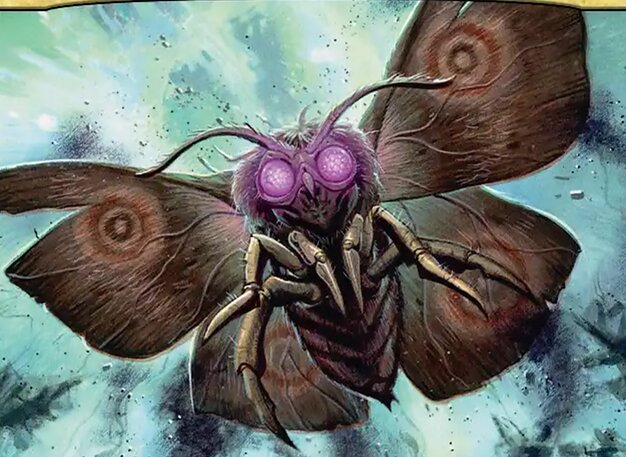 The Wise Mothman
|
22.93% | 40,545 | -2.07 points |
|
|
Grixis
best Grixis commanders
|
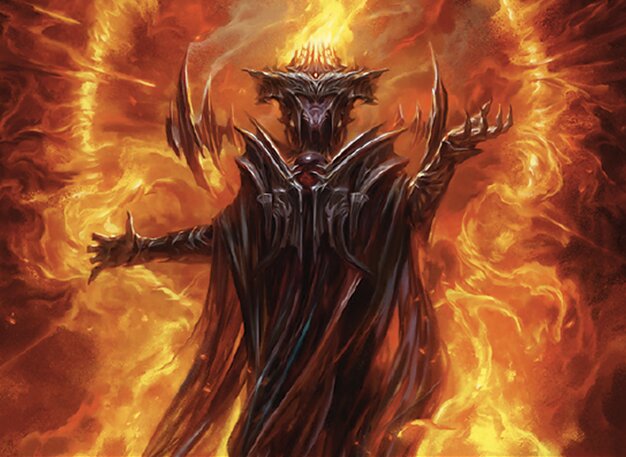 Sauron, the Dark Lord
|
22.28% | 51,963 | -2.72 points |
Four-color combinations
All five four-color combinations, best win rate first, in four-player games. Read the note under this table before quoting a row.
| Colors | Combination | Most played commander | Win rate | Games | Vs 25% |
|---|---|---|---|---|---|
|
|
Sans Green
best Sans Green commanders
|
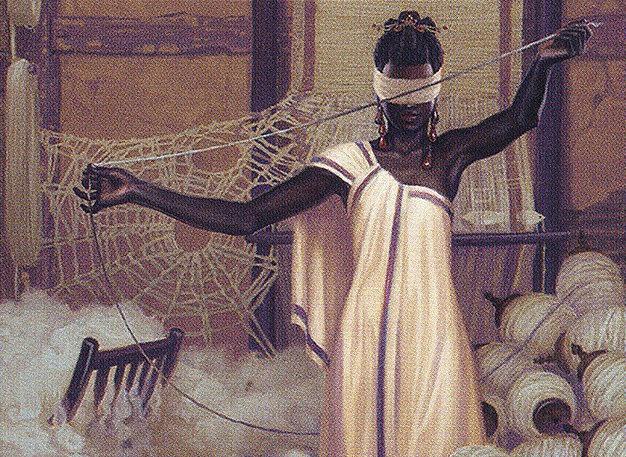 Tymna the Weaver
|
28.58% | 4,482 | +3.58 points |
|
|
Sans Red
best Sans Red commanders
|
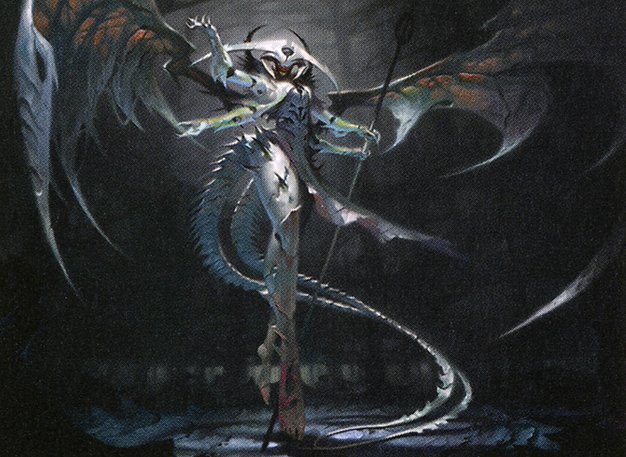 Atraxa, Praetors' Voice
|
27.12% | 8,365 | +2.12 points |
|
|
Sans Black
best Sans Black commanders
|
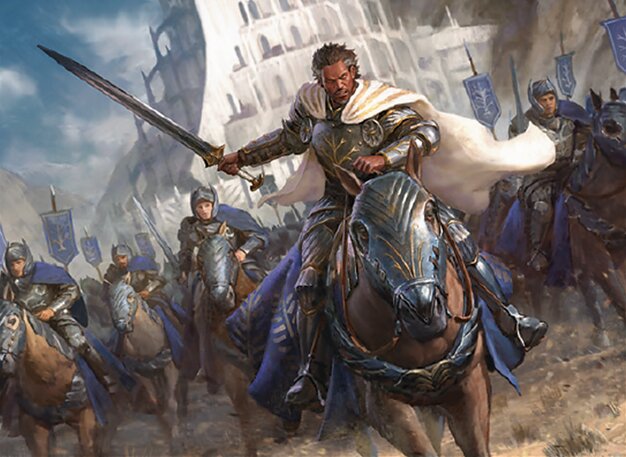 Aragorn, the Uniter
|
26.03% | 7,387 | +1.03 points |
|
|
Sans White
best Sans White commanders
|
 Yidris, Maelstrom Wielder
|
25.19% | 1,481 | +0.19 points |
|
|
Sans Blue
best Sans Blue commanders
|
 Saskia the Unyielding
|
25.10% | 1,434 | +0.10 points |
All five colors
The one five-color combination, in four-player games.
| Colors | Combination | Most played commander | Win rate | Games | Vs 25% |
|---|---|---|---|---|---|
|
|
Five Color
best Five Color commanders
|
 The Ur-Dragon
|
26.11% | 66,549 | +1.11 points |
Read the four-color rows as commanders, not as combinations
Four-color decks are rare, and each of the five combinations is mostly one commander: Atraxa, Praetors' Voice is 54.32% of Sans Red, Yidris, Maelstrom Wielder is 53.95% of Sans White, Saskia the Unyielding is 53.70% of Sans Blue, Tymna the Weaver is 41.95% of Sans Green, Aragorn, the Uniter is 35.83% of Sans Black. Those rows describe those commanders more than they describe the color combination, and they rest on far fewer games than the rest of the page, so treat them as a hint rather than a result.
Best mono color
A mono color deck is a deck whose color identity is exactly one color. It carries no partner color, so this is the cleanest question you can ask about a color on its own, and the gaps here are much larger than in the third ranking below.
Decks whose color identity is exactly that one color.
Blue
Red
Black
White
Green
Blue is clearly above 25% and green clearly below it. Red is above. Black and white are level with it. The five span 3.22 points, more than four times the spread in the third ranking below.
The same decks with one opponent instead of three. An even share here is 50%.
Green
Red
White
Blue
Black
Green and blue change places completely. Mono green wins 54.50% of 2-player games and 24.21% of 4-player games. Mono blue wins 50.18%, then 27.43%. This is why every headline figure on this page says how many players are in the game.
| Color | Mono color page | Most played commander | Win rate | Games | Vs 25% |
|---|---|---|---|---|---|
|
Blue
|
best mono-blue commanders |
 Urza, Lord High Artificer
|
27.43% | 19,903 | +2.43 points |
|
Red
|
best mono-red commanders |
 Krenko, Mob Boss
|
25.80% | 36,326 | +0.80 points |
|
Black
|
best mono-black commanders |
 K'rrik, Son of Yawgmoth
|
25.12% | 32,742 | +0.12 points |
|
White
|
best mono-white commanders |
 Giada, Font of Hope
|
24.99% | 20,579 | -0.01 points |
|
Green
|
best mono-green commanders |
 Ghalta, Primal Hunger
|
24.21% | 25,671 | -0.79 points |
Best color across all Commander games
This ranking counts every deck that contains the color, whatever else is in it. A Grixis deck counts once each for blue, black and red. It is the broadest way to ask which color is best. Because almost every deck plays more than one color, each row is mostly about the colors that one is usually paired with. The five shares add up to well over 100%.
A deck counts toward every color in its identity. The dotted line is an even share.
White
Red
Blue
Green
Black
White, red and blue sit a little above 25%, green is right at it, and black is the only color clearly below it. The top three are too close together to put in a firm order.
| Color | Commanders | Win rate | Games | Vs 25% |
|---|---|---|---|---|
|
White
|
best mono-white commanders | 25.44% | 507,333 | +0.44 points |
|
Red
|
best mono-red commanders | 25.40% | 561,156 | +0.40 points |
|
Blue
|
best mono-blue commanders | 25.30% | 530,105 | +0.30 points |
|
Green
|
best mono-green commanders | 25.01% | 512,070 | +0.01 points |
|
Black
|
best mono-black commanders | 24.71% | 546,565 | -0.29 points |
| 25%, an even share | 25.00% | 0.00 points |
The second and third rankings disagree, and that is the point of printing both. Blue is first among mono color decks at 27.43% and third across all decks that contain it at 25.30%. White is first across all decks at 25.44% and fourth among mono color decks at 24.99%. Anyone quoting a single best color number is quoting one of these two rankings without saying which.
Games here means games played by a deck: one deck in one game, so a four-player game adds four. This table rests on 1,062,396 of them, played by 288,947 different decks.
Win rate by number of colors
The shape here is a curve, not a line. Two-color and three-color decks are level with 25%. Four-color and five-color decks are above it, and so is a single color. So "more colors is better" is not what this shows: the climb only appears at four and five colors, and the two largest groups of all sit at the bottom.
| Colors in the identity | Win rate | Games | Vs 25% | Share of games |
|---|---|---|---|---|
| Colorless | 27.41% | 9,000 | +2.41 points | 0.85% |
| One color | 25.45% | 135,221 | +0.45 points | 12.73% |
| Two colors | 25.02% | 388,764 | +0.02 points | 36.59% |
| Three colors | 24.88% | 439,713 | -0.12 points | 41.39% |
| Four colors | 26.81% | 23,149 | +1.81 points | 2.18% |
| Five colors | 26.11% | 66,549 | +1.11 points | 6.26% |
| 25%, an even share | 25.00% | 0.00 points | 100.00% |
The colorless row is not a finding about playing no colors. 4,379 of its 9,000 games are one commander, Zhulodok, Void Gorger, winning 29.34%, and a further 1,003 are Kozilek, the Great Distortion. Read it as a fact about those two decks.
Inside Izzet and Grixis
The obvious objection to the ranking above is that one popular commander could be carrying a whole combination. It is worth checking, and it does not hold: take the most played commander out of Izzet and it still wins 27.93%, and take the most played commander out of Grixis and it rises only to 22.67%, still last.
|
|
Stella Lee, Wild Card
6.9% of the combination
|
32.24% | 2,826 games |

|
Vivi Ornitier
6.6% of the combination
|
32.47% | 2,701 games |
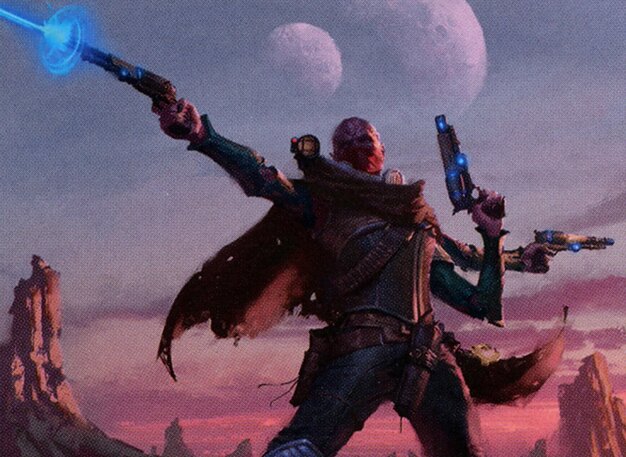
|
Ghyrson Starn, Kelermorph
6.0% of the combination
|
23.80% | 2,462 games |
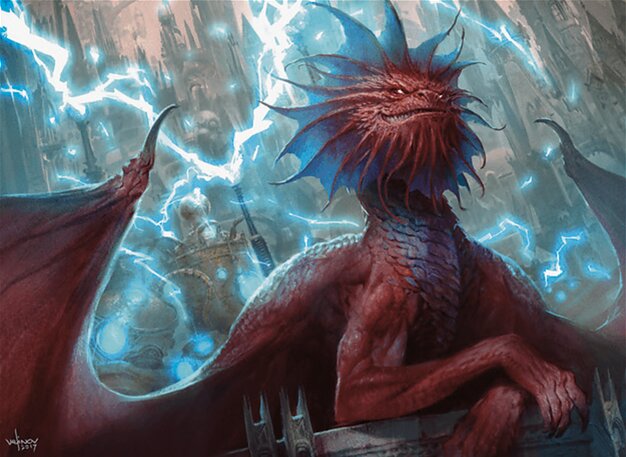
|
Niv-Mizzet, Parun
4.4% of the combination
|
29.29% | 1,813 games |

|
Veyran, Voice of Duality
3.8% of the combination
|
30.24% | 1,531 games |
|
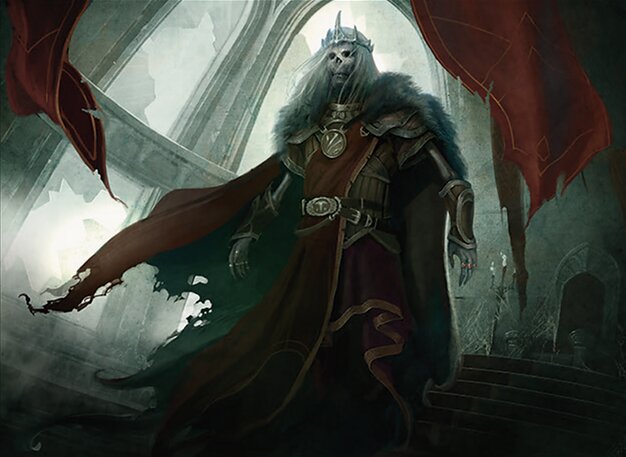
|
Sauron, the Dark Lord
9.6% of the combination
|
18.60% | 5,016 games |
|
Nekusar, the Mindrazer
8.0% of the combination
|
23.37% | 4,142 games |

|
Be'lakor, the Dark Master
4.5% of the combination
|
24.30% | 2,350 games |

|
Kefka, Court Mage // Kefka, Ruler of Ruin
4.5% of the combination
|
27.26% | 2,348 games |

|
Admiral Brass, Unsinkable
4.4% of the combination
|
22.50% | 2,280 games |
| Combination | With this commander removed | Win rate as published | Win rate without them | Games left |
|---|---|---|---|---|
| Izzet | Stella Lee, Wild Card | 28.23% | 27.93% | 37,910 |
| Grixis | Sauron, the Dark Lord | 22.28% | 22.67% | 46,947 |
| Sultai | The Wise Mothman | 22.93% | 24.46% | 32,690 |
Sultai is the one combination where a single commander does most of the work: The Wise Mothman is 19.4% of it and wins 16.59%, and without that deck Sultai rises from 22.93% to 24.46%, which would move it out of the bottom five. The other two do not move like that.
Popularity against power
The most played color, red, is second strongest. The second most played, black, is the weakest. White is the least played of the top three and finishes first. The same holds for combinations: Grixis is the fourth most played combination and the worst performing one.
| Color | Share of decks | Popularity rank | Win rate | Power rank |
|---|---|---|---|---|
| Red | 51.83% | 1 | 25.40% | 2 |
| Black | 51.04% | 2 | 24.71% | 5 |
| Blue | 50.11% | 3 | 25.30% | 3 |
| White | 48.09% | 4 | 25.44% | 1 |
| Green | 47.70% | 5 | 25.01% | 4 |
Share of decks is the share of distinct decks whose identity includes that color, so it adds to more than 100%. Win rate is the four-player figure from the third ranking.
Has it changed since 2023?
Players moved toward three colors, and three-color decks sit at the bottom of the curve. So what people play changed. The win rates did not. Every figure below counts every deck containing the color, in four-player games with one winner, sorted by the year the game ended. 2023 is a partial year of 7,163 four-player games, because tracking only got going halfway through it, and 2026 runs to 31 Aug 2026. Everything before 2023 is 165 games in total and is not shown.
| Color | 2023 (part year) | 2024 | 2025 | 2026 (part year) |
|---|---|---|---|---|
|
White
|
25.55%
13,035 games
|
25.72%
115,455 games
|
25.33%
208,727 games
|
25.37%
170,061 games
|
|
Red
|
25.58%
14,070 games
|
25.42%
128,825 games
|
25.34%
228,665 games
|
25.45%
189,552 games
|
|
Blue
|
25.88%
13,518 games
|
25.34%
122,496 games
|
25.30%
217,908 games
|
25.23%
176,144 games
|
|
Green
|
25.09%
12,471 games
|
24.99%
119,562 games
|
25.03%
207,637 games
|
25.01%
172,345 games
|
|
Black
|
25.04%
14,534 games
|
24.83%
126,540 games
|
24.62%
221,839 games
|
24.70%
183,597 games
|
Black is last in every one of the four years. The top of the table swaps between white, red and blue from year to year, which is what three values inside 0.2 points of each other are expected to do.
| Color | Change | Could really be |
|---|---|---|
| Red | +0.03 points | -0.28 to +0.34 |
| Green | +0.01 points | -0.31 to +0.33 |
| Blue | -0.11 points | -0.43 to +0.21 |
| Black | -0.13 points | -0.44 to +0.18 |
| White | -0.34 points | -0.67 to -0.02 |
The last column is the range the real change could sit in, and this is the one table on the page where that range is the whole point. Every color's range covers zero, so all five are flat. White's only just misses, ending at -0.02 points, and that is one of 5 checks run at once, so we do not call it a change. 2024 is the comparison year because it is the earliest complete one.
| Decks | 2023 | 2026 | Change |
|---|---|---|---|
| Three colors | 34.38% | 41.94% | +7.56 points |
| Two colors | 38.79% | 35.17% | -3.62 points |
| One color | 15.04% | 12.90% | -2.14 points |
Izzet's lead is old, not new: 27.86%, 27.98%, 28.23%, 28.46% from 2023 to 2026. It has been at or near the top of the ranking for as long as there is data to check.
What this page does not say
- Nobody was handed a color combination. People pick one along with the commander, the budget and how hard they mean to play. So a win rate here describes the decks people build in a combination, not the colors.
- Precon evenings and tuned decks sit in the same average. Only 18.0% of decks tell us their bracket, so we cannot split them apart.
- The three rankings answer three different questions and will not agree. In the third one, only 20,579 of white's 507,333 games are mono white decks, so that row is mostly about the colors white is paired with.
- We checked whether this holds when every deck in the game declares the same bracket. That leaves 7,524 games, far too few to answer it either way. Nothing jumped, and that is all we can say.
- Playgroup Live games alone cannot settle it either. Live started part way through 2026 and is 5.5% of that year's four-player games, 19,456 of them, which is too few. Black comes out low on both Live and the tracker.
- It does not say which combination you should play. Two decks in the same colors differ more than most of these rows, and two players differ more still.
Method and caveats
- We start from every finished Commander game tracked on Playgroup with at least two players: 670,472 games, all of them, through 31 Aug 2026. Solo games are left out. Which colors a deck counts as is decided the same way as on our colors pages.
- We keep only games with one winner. That is 636,866 games and drops 33,606, or 5.01%: 17,125 with no winner written down, 16,012 with more than one, and 469 draws. Most of those were abandoned rather than finished.
- The page compares every row against 25%, an even share in a four-player game, and against 50% where it talks about two players. The decks in this data win 25.1% of four-player games on average rather than exactly 25%, because games recorded without a commander are left out and those lose more often. The page compares against 25% to keep it readable.
- Games means games played by a deck: one deck in one game, so a four-player game adds four. Four-player games give us 1,062,396 of them, played by 288,947 different decks. Decks repeat, about 3.65 games each in the biggest group, so small differences are less solid than the game counts suggest.
- Nothing with fewer than 1,000 games is shown at all, and a combination needs 10,000 before we will call it the best. That is why the three four-color rows above Izzet are not the headline.
- The 95% confidence interval for every figure on this page is in the audit document, along with the working. We left the intervals off the tables to keep them readable, and only quote one where it decides something.
- Tracking really starts in the middle of 2023: everything before is 165 games. 2024 is the first full year, so year-on-year change is measured from there, and 2026 runs only to 31 Aug 2026.
- Two-player games behave differently, so every headline figure on this page says four players. The full working is in our research notes at docs/audits/most-powerful-color-2026-09-14.md.
- This page is a snapshot of that audit, not a live feed. Our colors overview page measures something different on a rolling window and will not print the same numbers.
Commander color combination FAQ
What is the strongest two-color combo in Magic: The Gathering?
What's the most powerful color in MTG?
What is the best color combo?
Which mono-color is the most powerful?
What is the strongest color combination in Commander?
How many colors should a Commander deck have?
Do five-color decks win more?
Have the colors gotten stronger or weaker over time?
Is this the same as the color stats on the rest of the site?
Every game you play here feeds the next question
Playgroup Live is a free in-browser virtual tabletop for 2 to 6 player Commander. Games played there and games logged with our tracker are what these numbers are made of.
Art credits
Art: Fajareka Setiawan (Stella Lee, Wild Card), James Ryman (Nelly Borca, Impulsive Accuser), Matt Stewart (Clavileño, First of the Blessed), Wisnu Tan (Shorikai, Genesis Engine), Tyler Walpole (Hakbal of the Surging Soul), Caroline Gariba (Lathril, Blade of the Elves), Chris Cold (Valgavoth, Harrower of Souls), Slawomir Maniak (Bello, Bard of the Brambles), Dmitry Burmak (Ellivere of the Wild Court), Yongjae Choi (Yuriko, the Tiger's Shadow), Valera Lutfullina (Ureni of the Unwritten), Magali Villeneuve (Y'shtola, Night's Blessed), Sam Burley (Pantlaza, Sun-Favored), Daniel Ljunggren (Hearthhull, the Worldseed), Volkan Baǵa (Edgar Markov), Craig Elliott (Éowyn, Shieldmaiden), Marta Nael (Ms. Bumbleflower), Zoltan Boros (Felothar the Steadfast), Chris Seaman (The Wise Mothman), Kieran Yanner (Sauron, the Dark Lord), Winona Nelson (Tymna the Weaver), Victor Adame Minguez (Atraxa, Praetors' Voice), Javier Charro (Aragorn, the Uniter), Karl Kopinski (Yidris, Maelstrom Wielder), Greg Opalinski (Saskia the Unyielding), Jaime Jones (The Ur-Dragon), Grzegorz Rutkowski (Urza, Lord High Artificer), Lie Setiawan (Krenko, Mob Boss), Chase Stone (K'rrik, Son of Yawgmoth), Kai Carpenter (Giada, Font of Hope), Chase Stone (Ghalta, Primal Hunger), Toni Infante (Vivi Ornitier), Aaron J. Riley (Ghyrson Starn, Kelermorph), Svetlin Velinov (Niv-Mizzet, Parun), Mathias Kollros (Veyran, Voice of Duality), Mark Winters (Nekusar, the Mindrazer), Daarken (Be'lakor, the Dark Master), Xui Ton (Kefka, Court Mage // Kefka, Ruler of Ruin), Jason Rainville (Admiral Brass, Unsinkable). © Wizards of the Coast.