
MTG Tutors By color
Every card in Magic that searches your library for the one you need, sorted by how many tracked Commander decks actually run it
What are the best MTG tutors?
The best MTG tutors are the ones players actually reach for, and a handful of those measurably raise your win rate. The lists below rank every mono-color and colorless tutor in Magic: The Gathering by how many tracked Commander decks run it, counted from real games on Playgroup.gg. Where a card has been played enough for us to measure its effect on winning, and that effect is clearly positive, its win-rate lift is shown beside the count.
Deck counts are drawn from 179,586 tracked decks on Playgroup.gg.
Lists last computed 8 Oct 2026 from decks and games tracked on Playgroup.gg.
Tutors by color

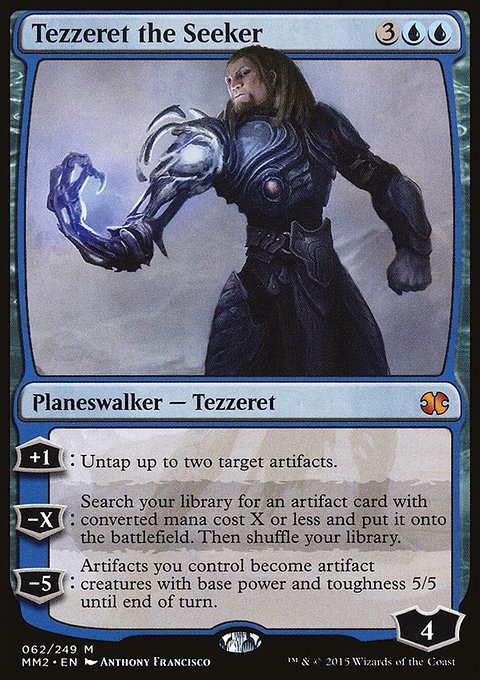
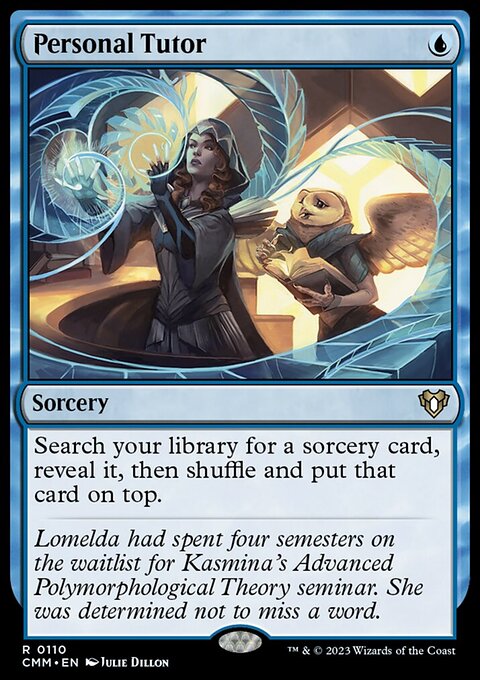
Blue Tutors
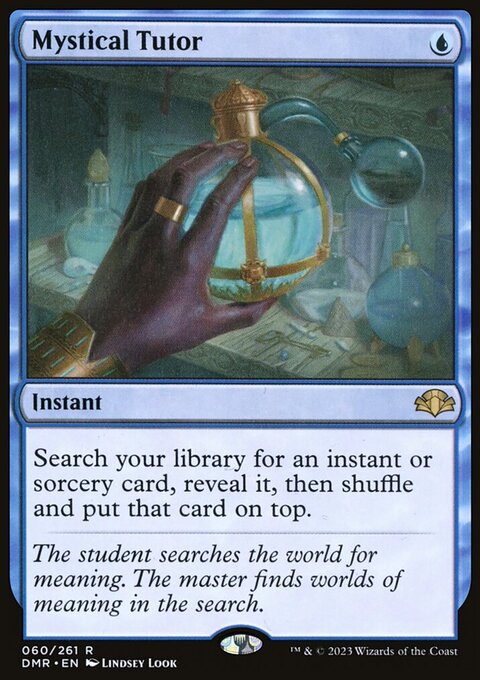
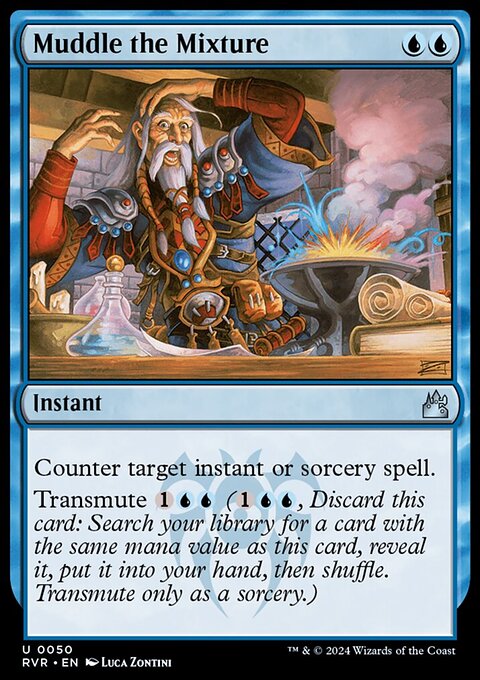
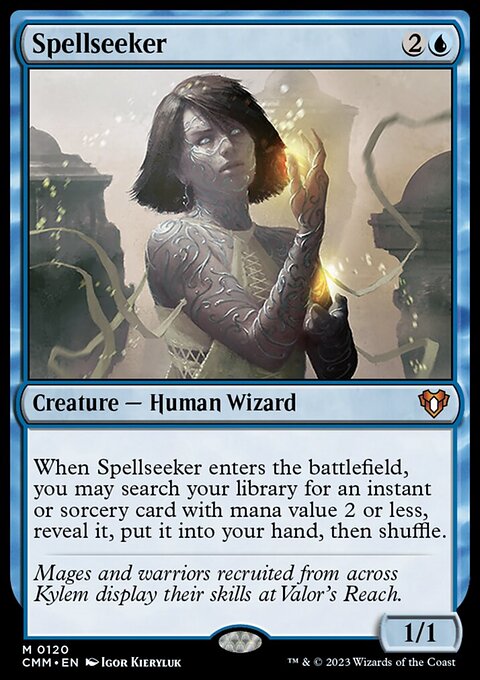
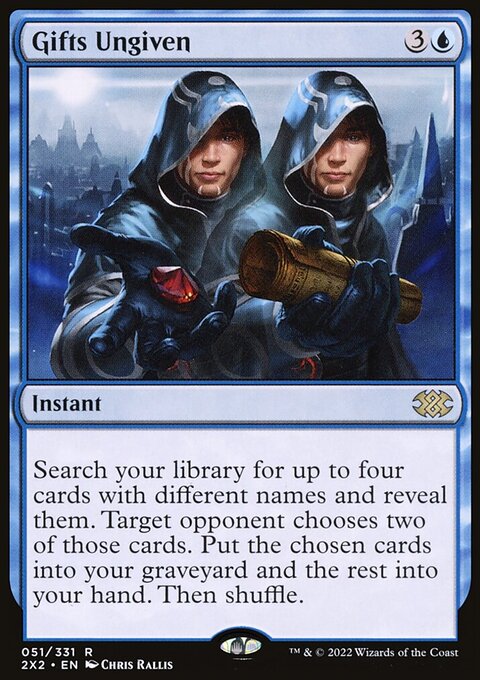
Blue searches cheaply and often at instant speed, but usually puts the card on top of your library instead of into your hand.






Black Tutors
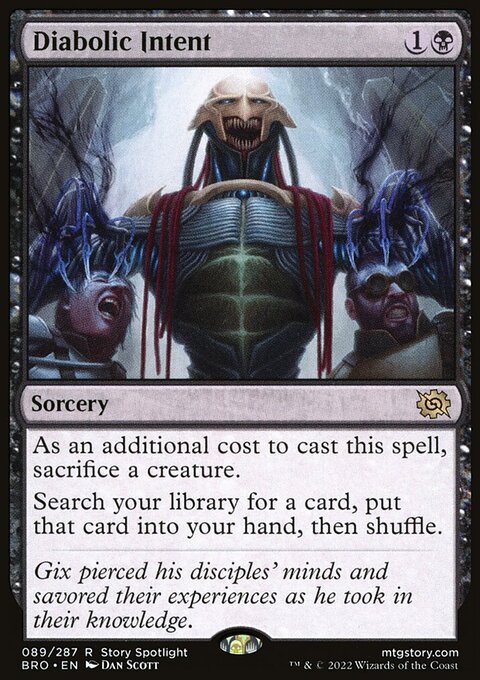
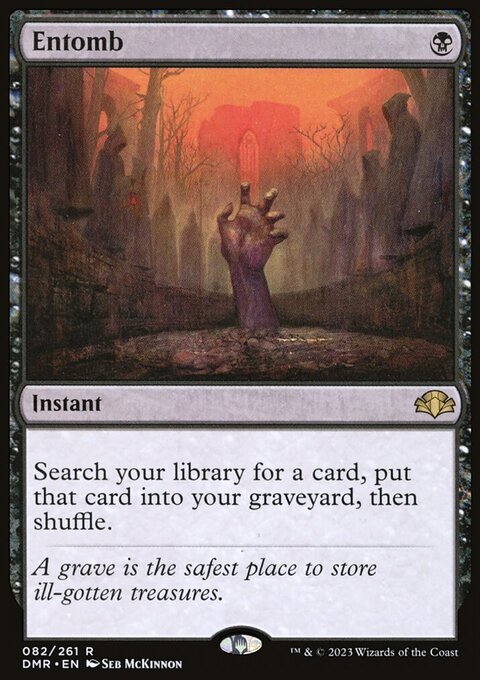
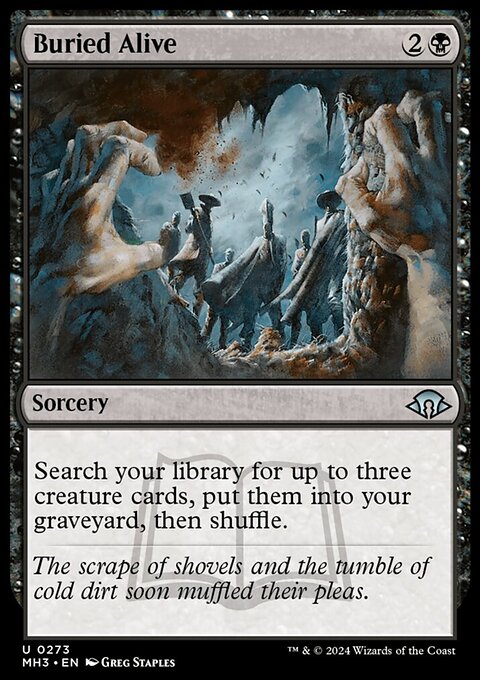
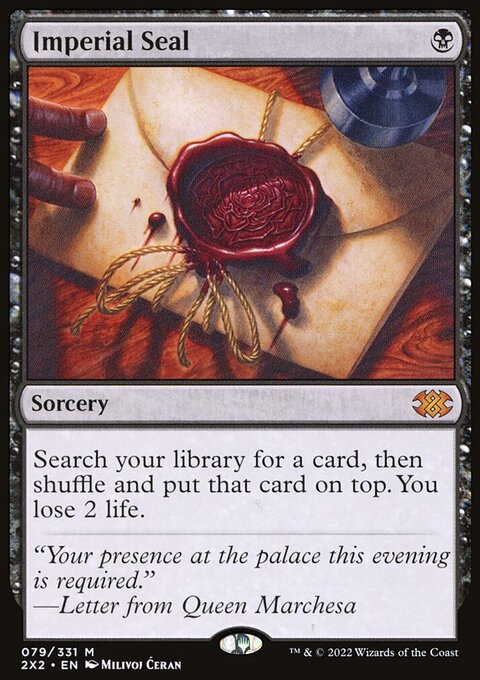
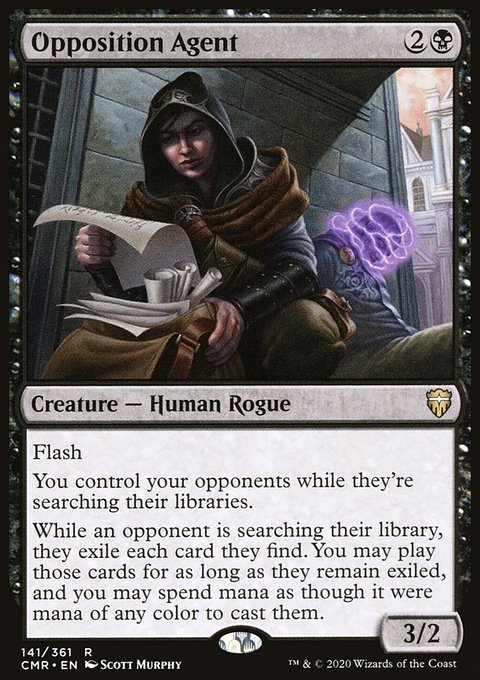
Black is the color that searches for any card at all, and it charges for it in life, in cards, or in both.






Green Tutors
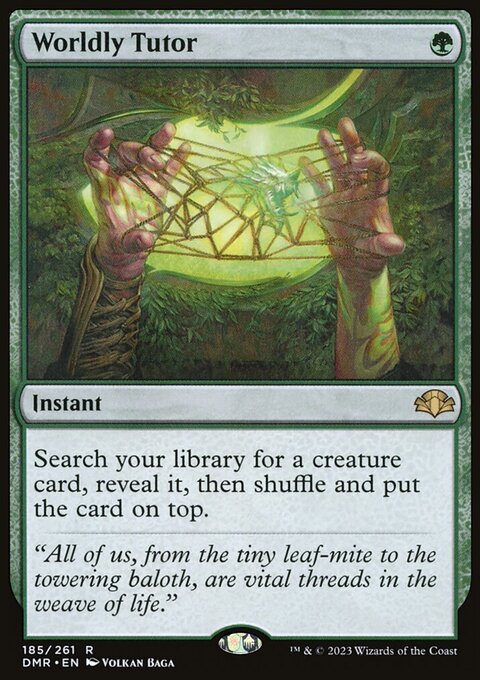
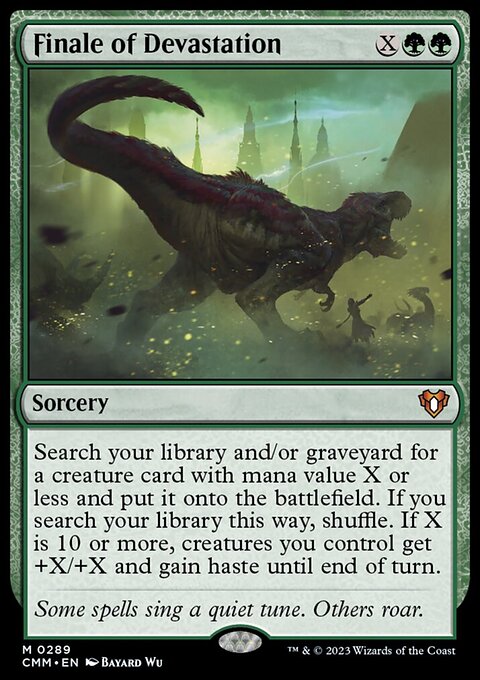
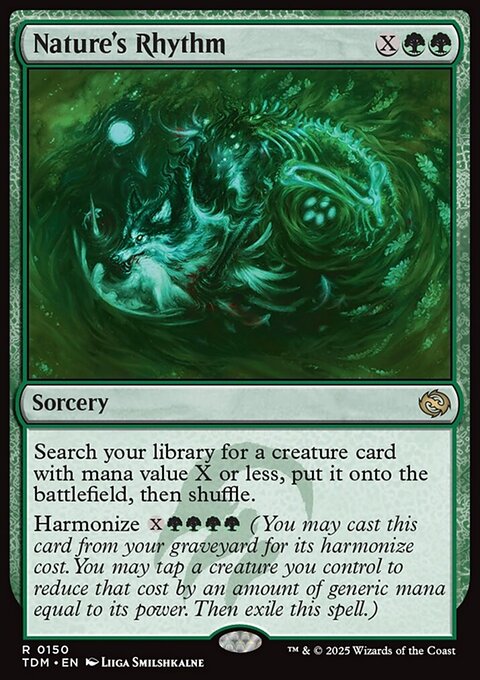
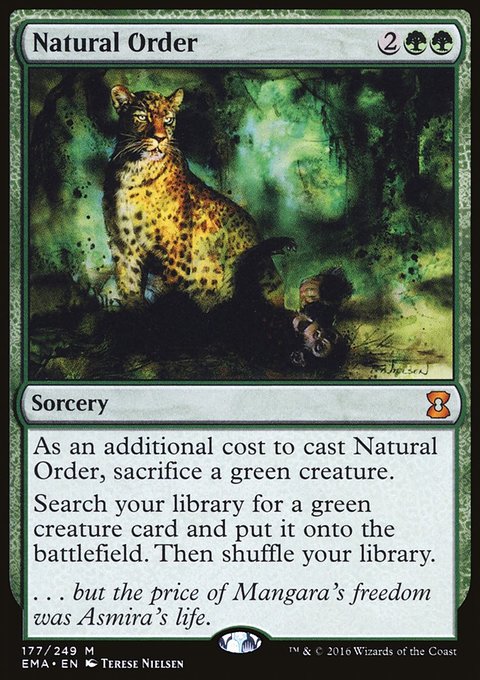
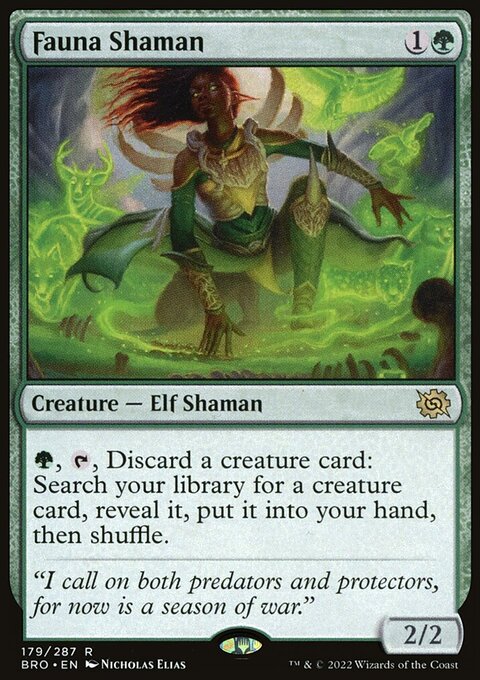
Green tutors for creatures better than any other color. Its other searching is mostly for lands, which these lists leave out.





White Tutors
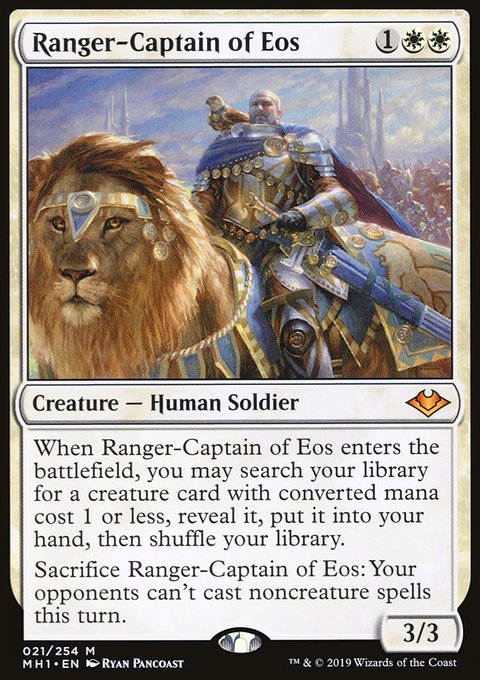
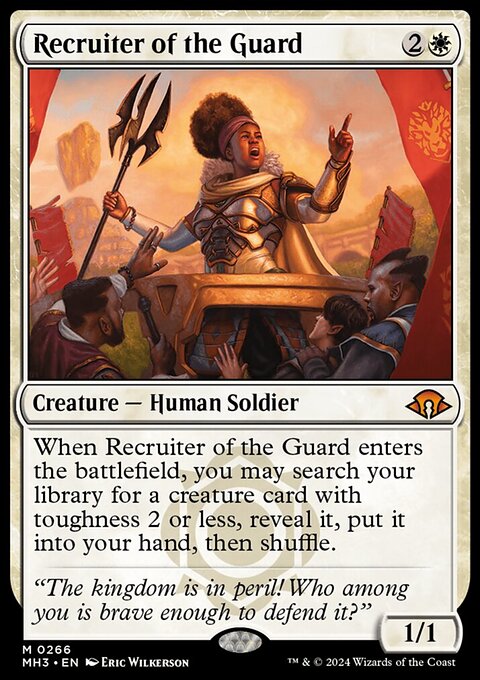
White searches by card type rather than for anything at all: enchantments, artifacts, and creatures with a keyword or a small enough cost.
| # | Card | Decks Decks running it |
|---|---|---|
| 1 |
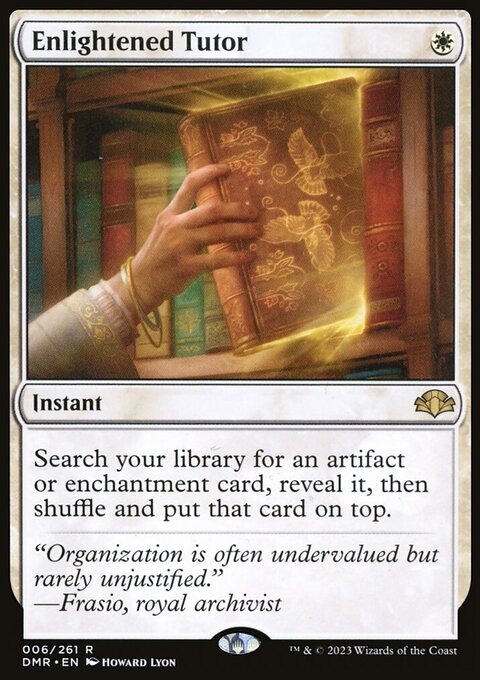 +0.3% win rate · 19,233 games with it · 2410 pilots · 738 commander groups
|
9,884 |
| 2 |


|
3,244 |
| 3 |


|
2,731 |
| 4 |
 +0.3% win rate · 4,588 games with it · 842 pilots · 166 commander groups
|
2,568 |
| 5 |
|
2,324 |
| 6 |
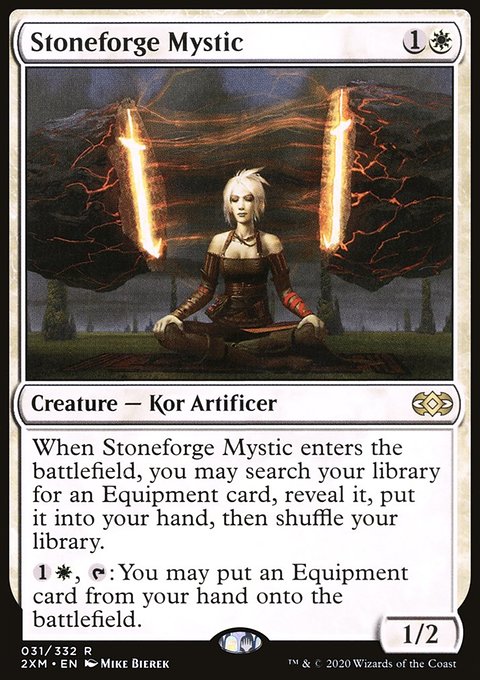 +1.4% win rate · 4,214 games with it · 754 pilots · 146 commander groups
|
2,288 |
| 7 |
 +1.8% win rate · 3,369 games with it · 613 pilots · 98 commander groups
|
1,845 |
| 8 |
|
1,822 |
| 9 |

|
1,282 |
| 10 |

|
1,210 |

Red Tutors
Red rarely searches without a string attached: exiling the rest of what it found, discarding your hand, or handing an opponent the choice.
| # | Card | Decks Decks running it |
|---|---|---|
| 1 |
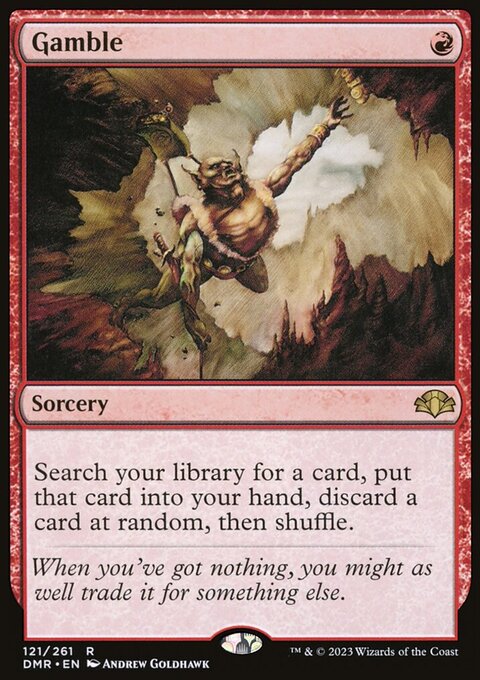
|
6,216 |
| 2 |
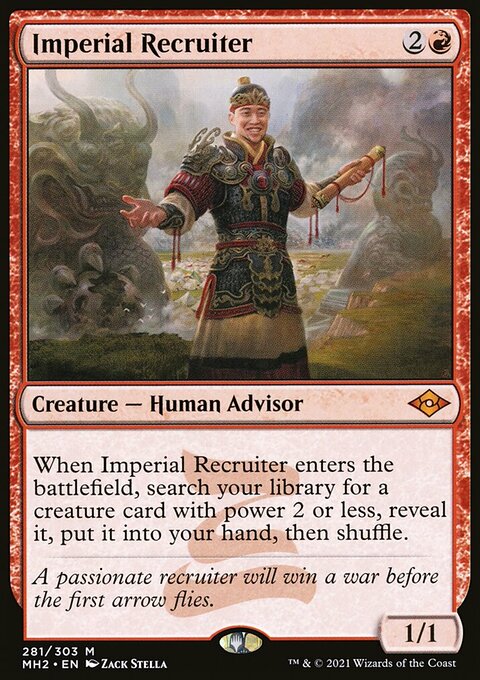
|
2,629 |
| 3 |
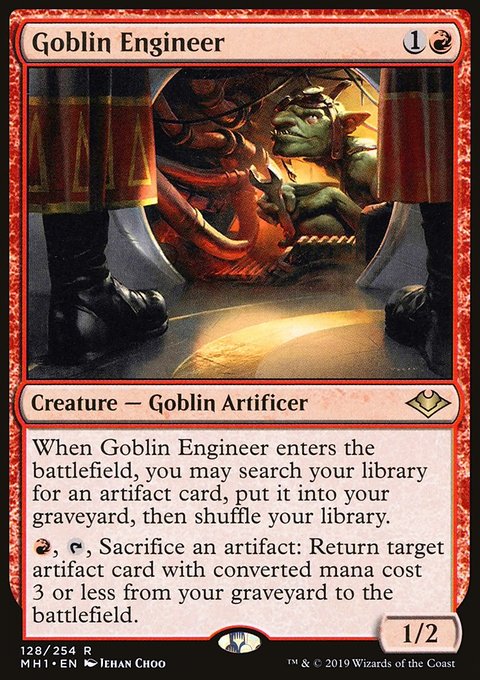 +0.2% win rate · 3,644 games with it · 643 pilots · 152 commander groups
|
2,044 |
| 4 |

|
2,026 |
| 5 |

|
1,848 |
| 6 |

|
968 |
| 7 |

|
963 |
| 8 |
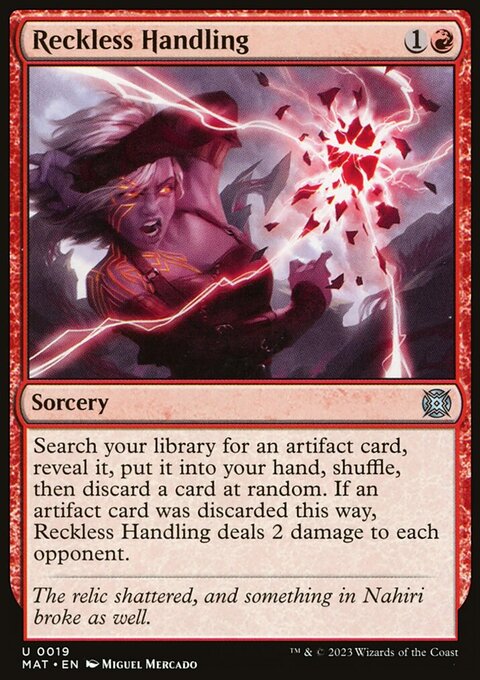 +0.6% win rate · 1,157 games with it · 225 pilots · 82 commander groups
|
771 |
| 9 |

|
692 |
| 10 |


|
644 |

Colorless Tutors
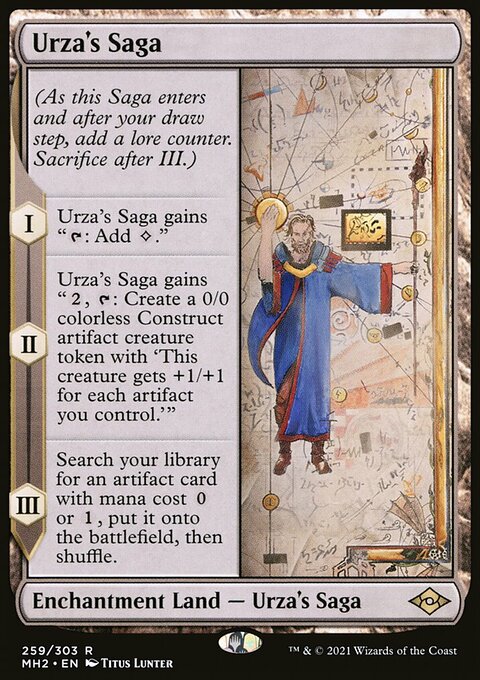
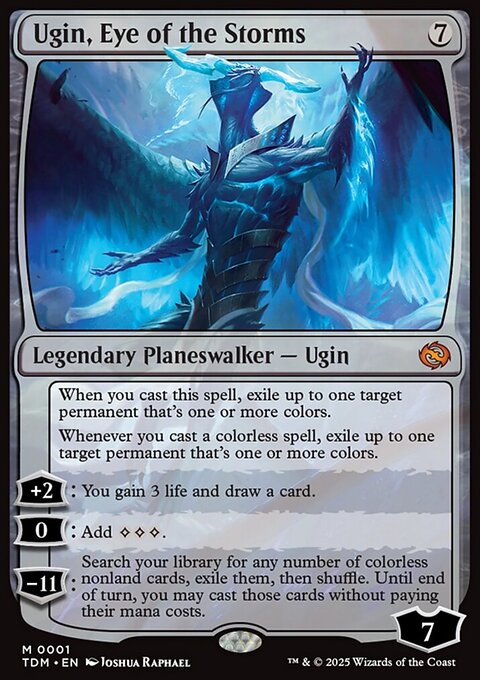
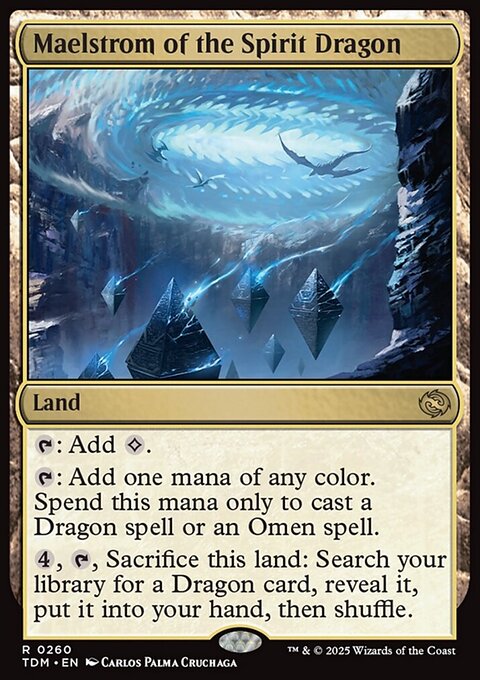
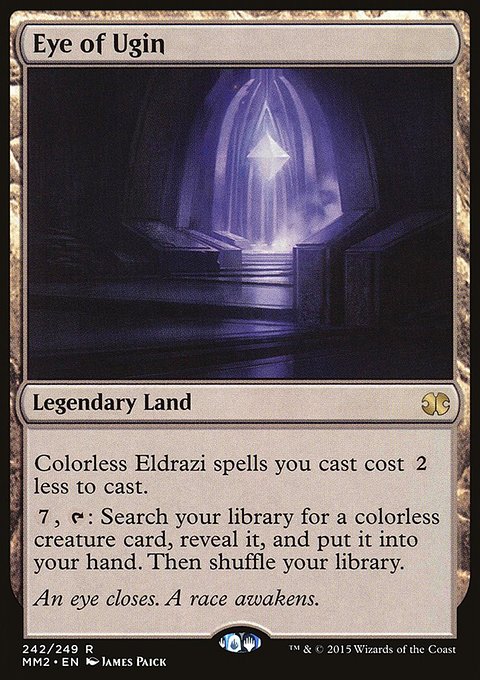
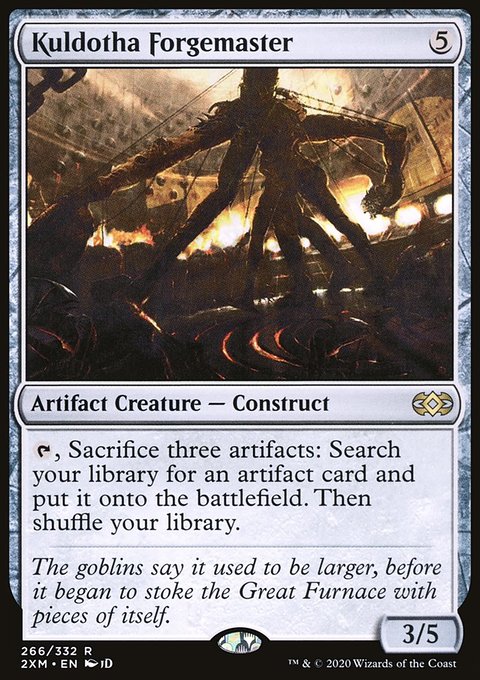
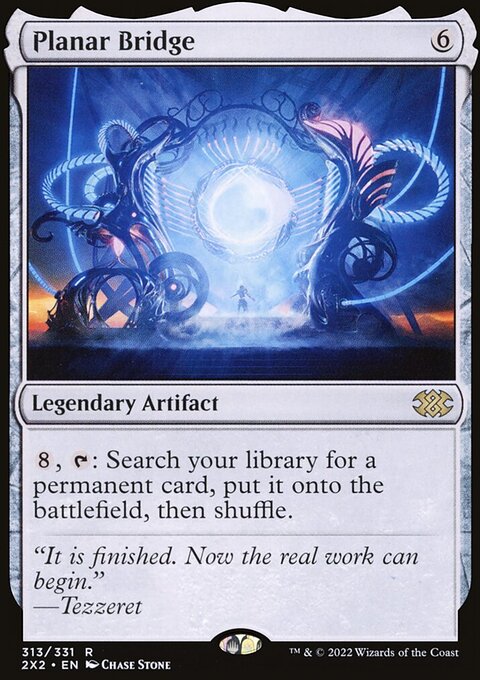
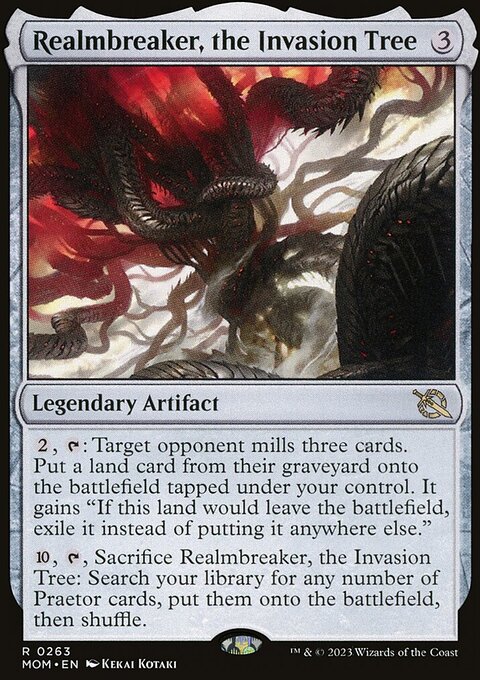
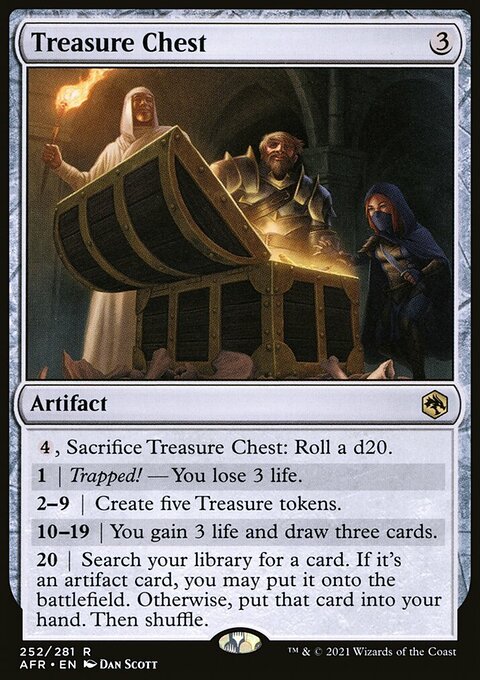
Artifact and equipment tutors any deck can play, whatever its color identity.






Show 20 more colorless tutors (ranks 11-30)
| # | Card | Decks Decks running it |
|---|---|---|
| 11 |

|
765 |
| 12 |

|
625 |
| 13 |

|
620 |
| 14 |

|
616 |
| 15 |

|
587 |
| 16 |

|
582 |
| 17 |
|
578 |
| 18 |
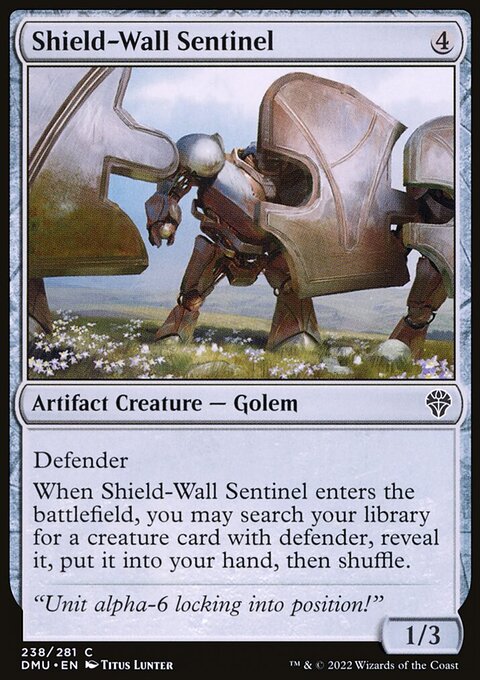

|
382 |
| 19 |

|
312 |
| 20 |
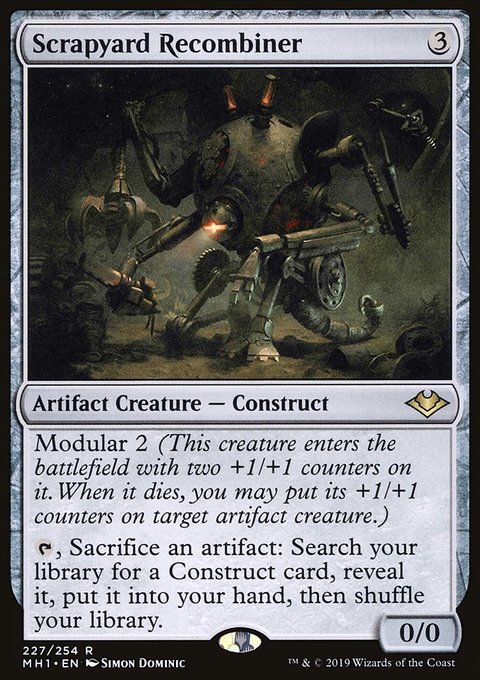
|
287 |
| 21 |
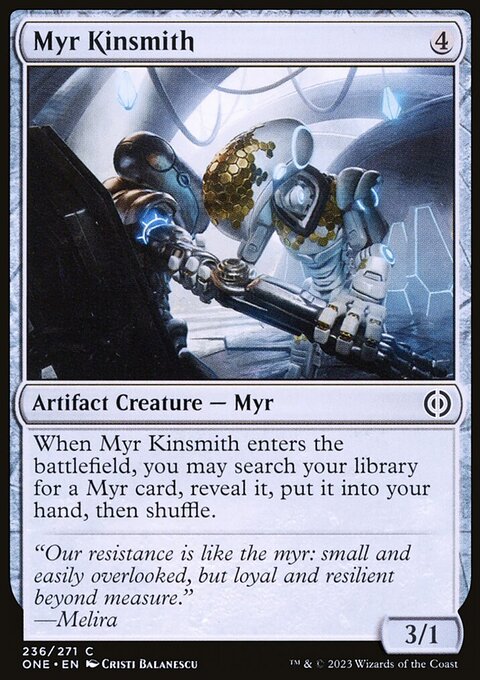
|
278 |
| 22 |

|
231 |
| 23 |
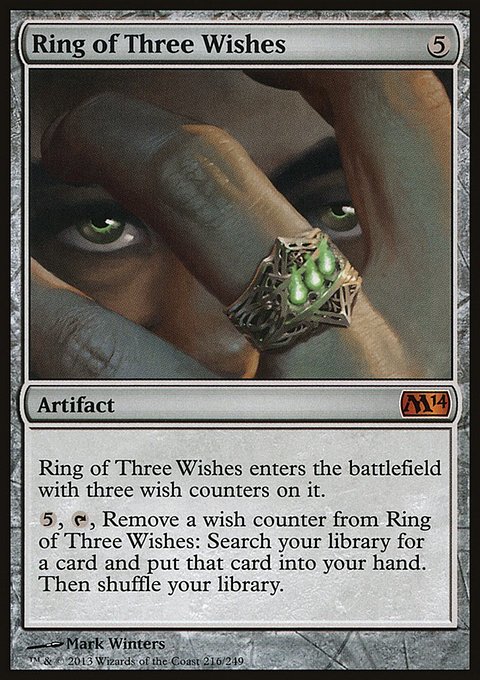
|
183 |
| 24 |
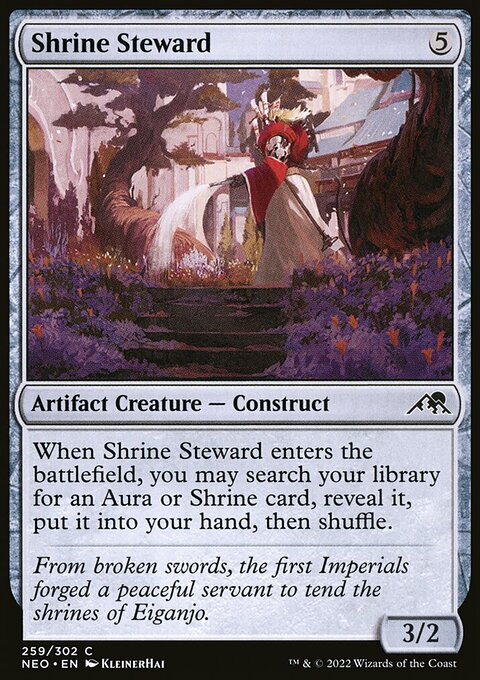
|
150 |
| 25 |

|
118 |
| 26 |
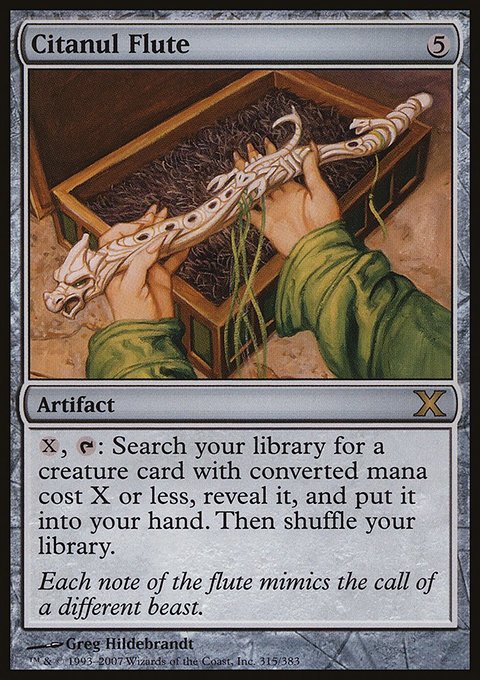
|
96 |
| 27 |

|
34 |
| 28 |
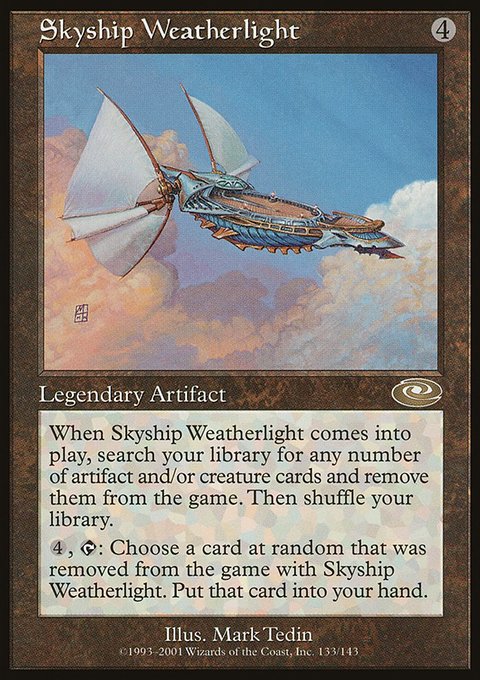
|
31 |
| 29 |

|
25 |
| 30 |
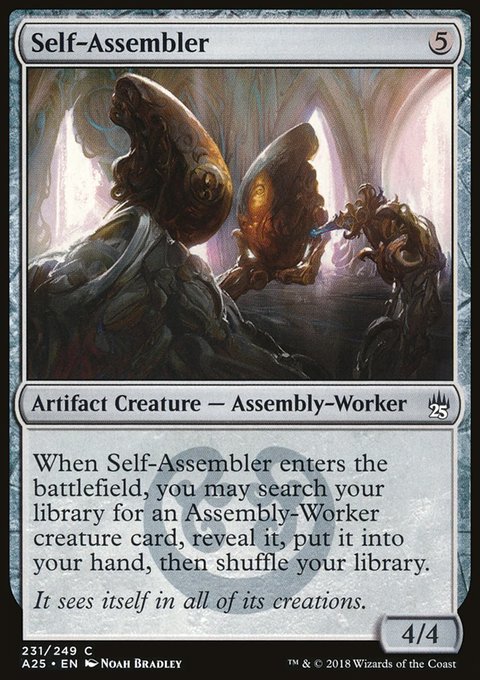
|
19 |
How these tutor lists are built
Start with what the order means, because it shapes everything else on this page. These lists are ranked by how many tracked decks run each card, not by a rating and not by the measurement. Separately we compare decks that run a card against decks on the same commander that do not, pool those matched comparisons, and ask whether the difference is bigger than chance. Only a handful of cards clear that bar. The rest are played widely and honestly, and we cannot tell you they help.
That is why the lists are ordered by deck count rather than by the measurement. Sorting a list by a number whose confidence interval crosses zero for most of its rows would be ranking sampling error and calling it insight. Deck count is a smaller claim, but it is one the data can actually carry, and it answers the question people arrive with: which tutors do Commander players put in their decks?
The win-rate lift is therefore a marker, not the ranking. It appears beside a card only when that card has been played enough to judge and its measured effect is clearly positive, which means clearing minimums on games with the card, on how many separate commander groups it was seen in and on how many different pilots played it, with a cap on how much of the sample any one pilot may hold, and then landing entirely above zero. A card that was measured and came out flat gets an empty cell rather than a number near zero, because a number near zero reads as a verdict and this one is not.
Read that figure as a difference, not a multiplier. A +2.2% lift means a deck running the card wins 2.2 percentage points more often than decks on the same commander without it: 27.2% of its games rather than 25.0%. It is not a 2.2% relative increase, and it is not a claim that the card wins 2.2% of your games on its own.
The candidate pool is every Commander-legal card carrying Scryfall's tutor oracle tag, which is a human-curated tag rather than a text search, minus the cards whose only search is for lands. That exclusion is the reason Cultivate, Farseek and Evolving Wilds are absent: they search a library, but nobody calls them tutors, and leaving them in would bury the cards you came here for. Multicolor cards are left out on purpose too, because someone searching for black tutors wants mono-black cards they can put in any black deck rather than gold cards that need a second color. Each surviving card is counted across every non-archived tracked deck whose mainboard contains it.
Counts are drawn from 179,586 tracked decks on Playgroup.gg.
The tutor oracle tag comes from Scryfall and popularity across public decklists is answered better by EDHREC than by us. What we add is the count from decks that were actually played, and the measured effect on winning where there is one to report.
MTG tutors FAQ
What is a tutor in Magic: The Gathering?
Which color has the best tutors?
Why isn't Cultivate on this list?
Are tutors too strong in Commander?
Why are there no multicolor tutors on this list?
Why does this list look different from other tutor lists?
Build with these
The deck editor shows this list in your deck's colors, next to how many tutors your deck runs and what full Commander decks run.
Free. A guest brew needs no account and lives in your browser for 7 days.
Already have a list? Check it against the deck template.
Counted from decks and games tracked on Playgroup.gg. Every card name links to its full stat page.